Fashion Over Function
Your outfit just isn’t complete without your hat! From materials to design, a hat can say a lot about you and your place in the community. Hat’s keep us safe from the elements and so much more.
Come explore our collection of hats and see how they prioritize fashion over function.
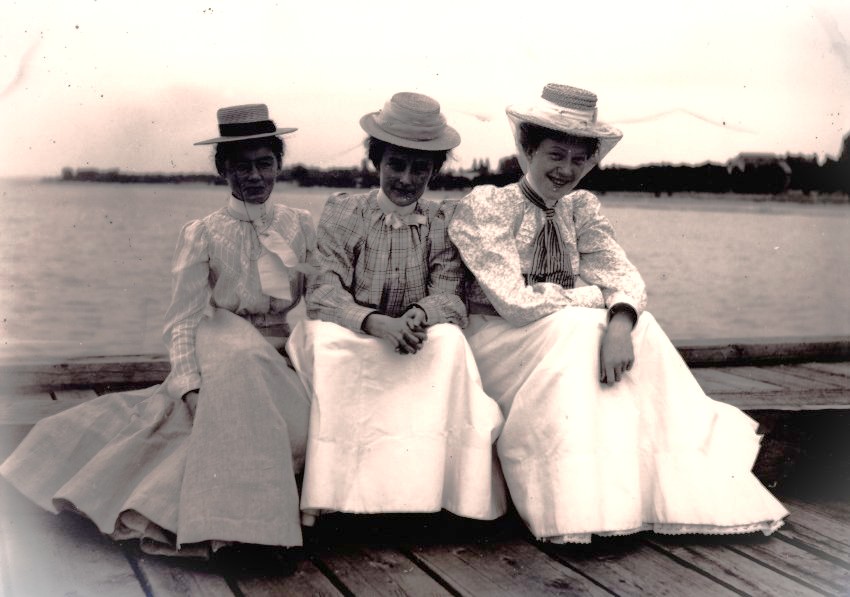
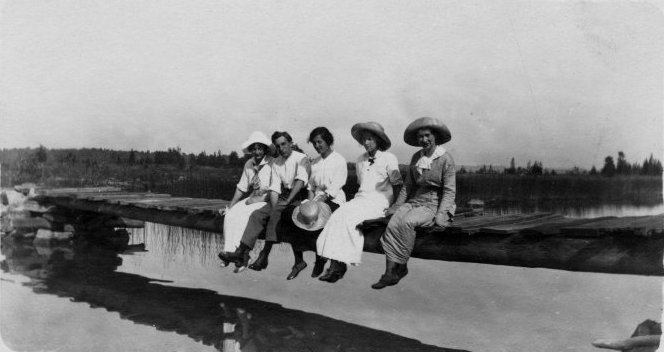
Postcard featuring 4 women and 1 man seated with legs dangling from wooden footbridge. Three women are wearing hats and one is holding a hat.
If you are interested in any of these photos, feel free to reachout to our archives for more information.
What is a Hat?
At its core, a hat serves a practical purpose by shielding our heads from the sun, rain, and wind. But beyond function, hats have long been powerful symbols of personal expression.
Whether worn for fashion or necessity, a hat can speak volumes about one’s character, profession, and social standing. Throughout history, hats have transcended utility to become markers of identity, style, and status, worn by people across all walks of life, from everyday wear to special occasions.
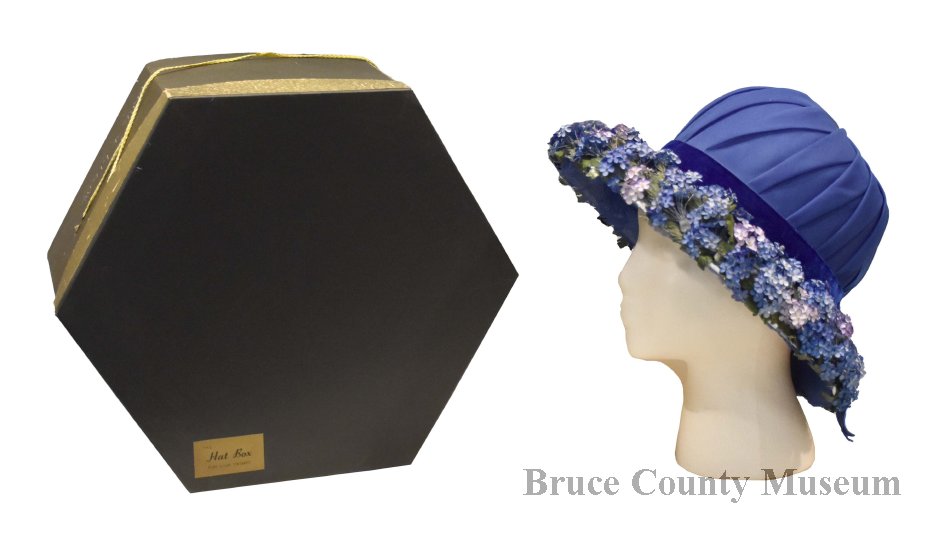
This hat is adorned with delicately pleated organza, velvet ribbon, and brightly-coloured floral decorations, making it a standout piece in any collection. Hats in this style have been traditionally worn during Easter or springtime celebrations. Such hats were often reserved for special occasions and would have been considered a luxury item due to their materials and craftsmanship.
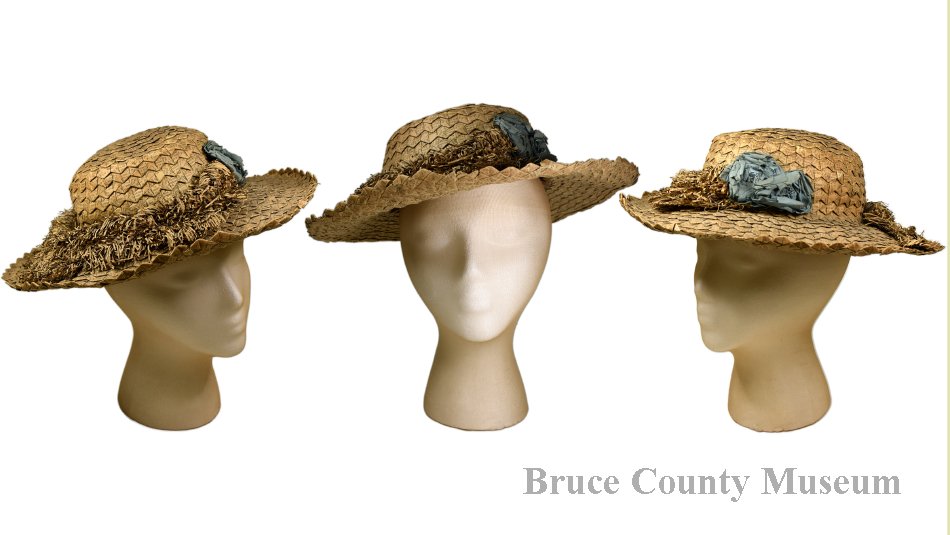
This wide-brimmed sun hat was carefully crafted by folding broadsheets of newspaper into shape — a process that would have required significant time and precision. The newspaper used was an issue of The Globe and Mail from 1910, adding historical depth and character to this unique piece.
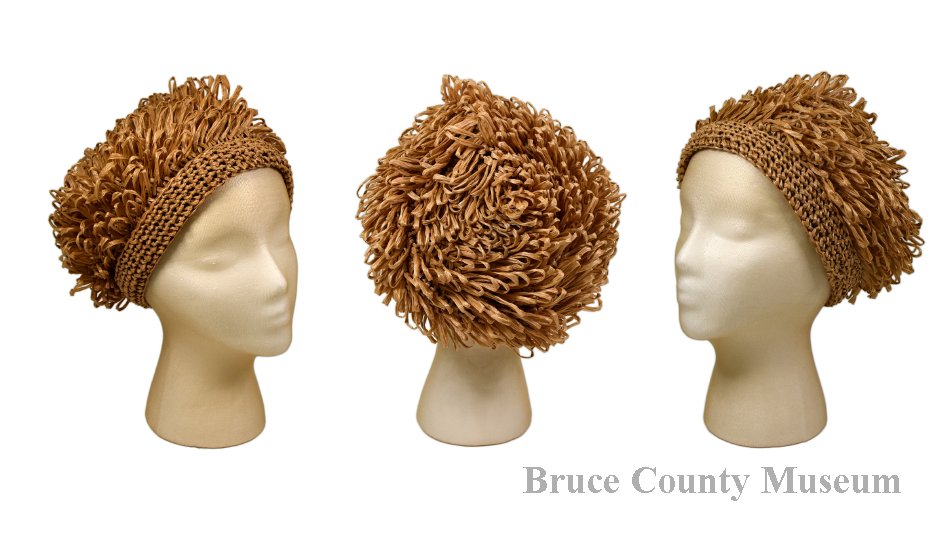
Crafted from modern materials like plastic, this hat mimics the look of traditional straw headwear while embracing 20th-century innovation. Likely dating to the 1960s, it reflects a revival of vintage styles reimagined with contemporary design and materials. This piece makes a bold statement that blends nostalgic charm with modern flair.
Wedding and Special Occasions
Over the course of the 20th century, formal hats gradually became a less essential part of everyday attire. Lucky for us, however, a variety of swanky hats (especially women’s) continued to add glitz and glamour to parties, weddings, and special events.
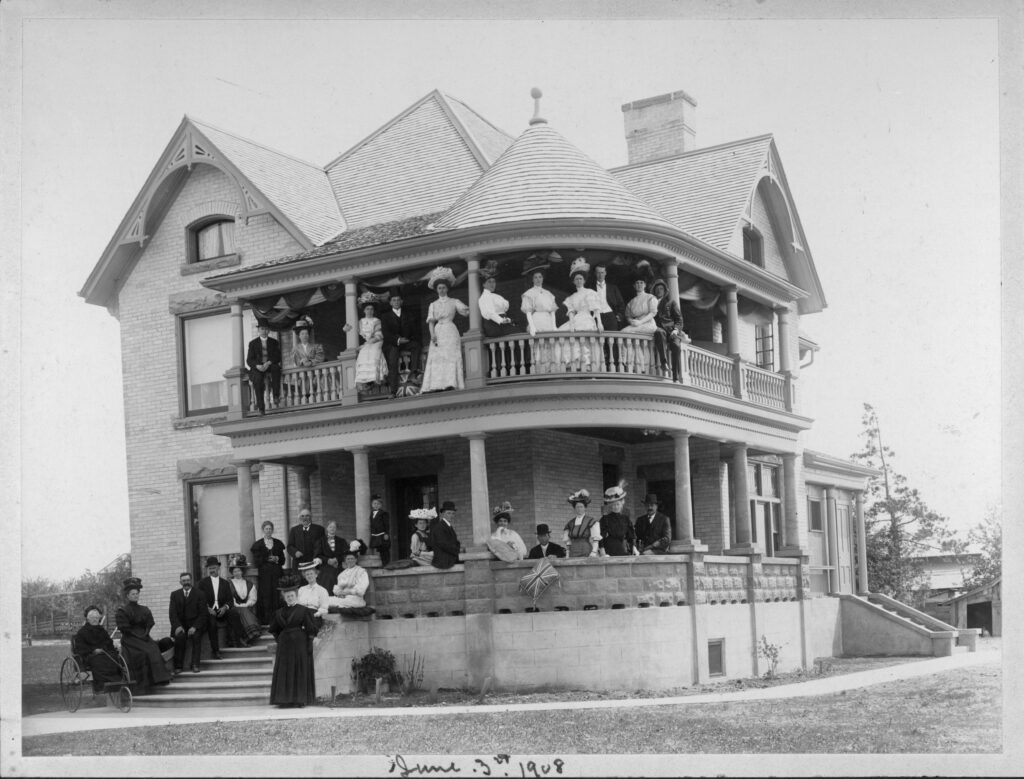
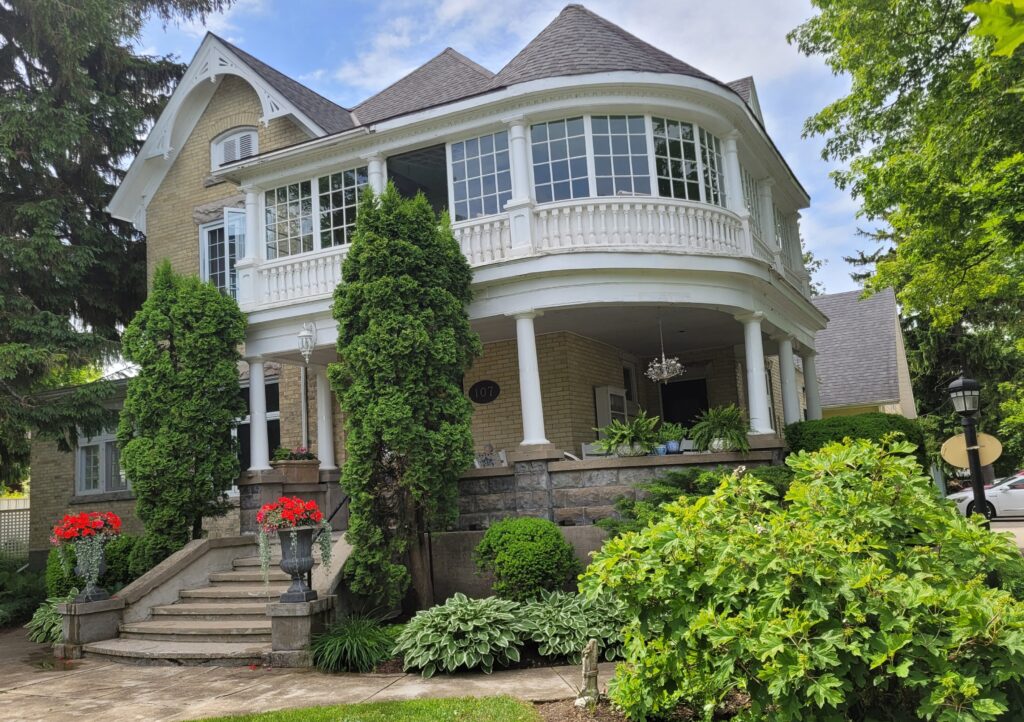
A group of people gathering on the upper and lower verandah of the home of George E. Smith, at the corner of High and Huron Streets, 107 High Street, Southampton, on the occasion of the wedding of Lillie Smith and Jack Simmie. The photo is mounted on cardstock with “E. Hart, Southampton, Ont.” embossed in lower left corner. Photo is dated June 3, 1908.
Modern Day photo of Chantry Breezes Bed & Breakfast. Thank you Jenny & Don for the photo.
BCM&CC Archive, A981.013.002.
Big Bold Hats
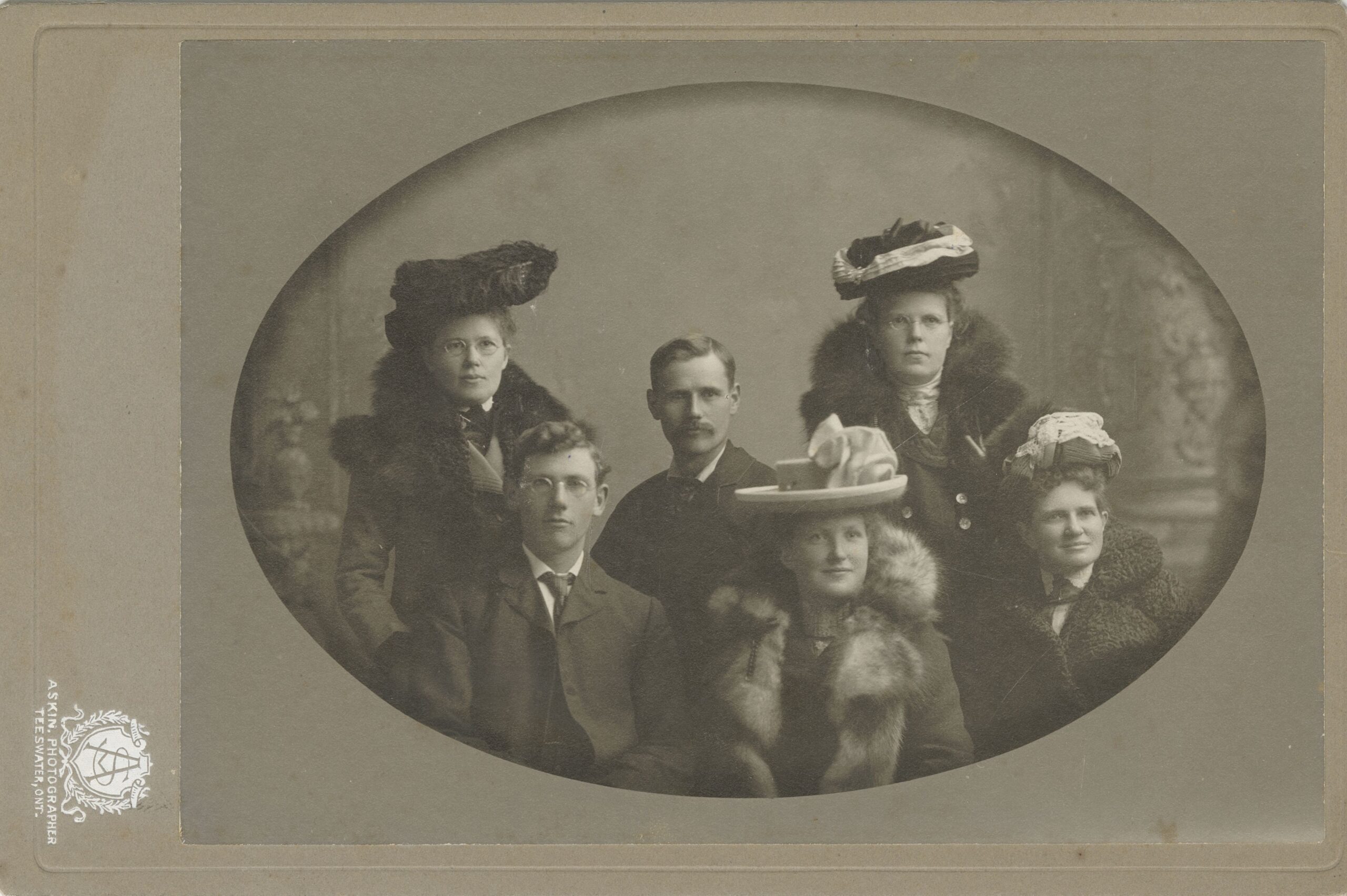
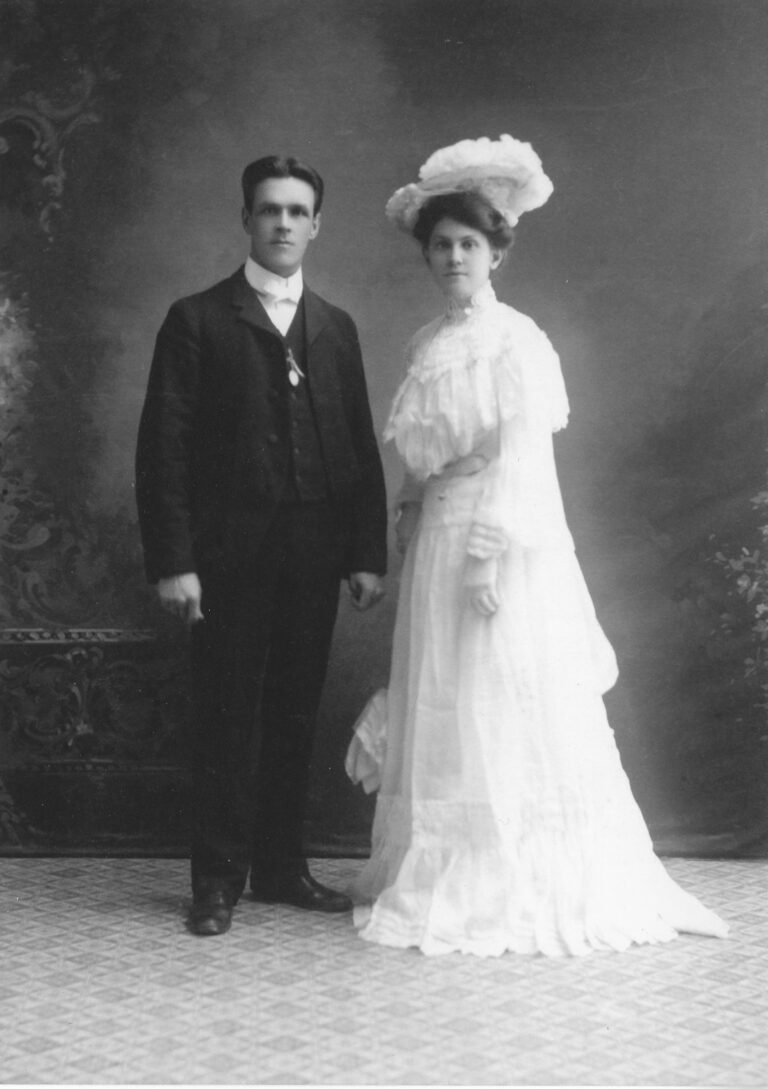
During the late 1800s and early 1900s, elaborate hats known as picture hats or Gainsborough hats were all the rage. They were named after the royal portraits (or “pictures”) painted by artist Thomas Gainsborough in the 1700s.
While their size and lavishness varied, they were usually fairly large and piled with a range of embellishments including ribbons, lace, flowers, feathers and fur. A couple of hatpins were usually required to hold them in place.
These fanciful hats would have lent an air of extravagance to any outfit or occasion, and many such hats can be seen in wedding photos dating to this time.
This photo shows Percival Thomas and Mary Rita (nee Hunter) Jermyn on their wedding day, August 5, 1903.
Fancy Little Hats
Bigger isn’t always better, however – little hats can be fancy too! Doll hats are miniature hats of any design, generally worn at the front of the head.
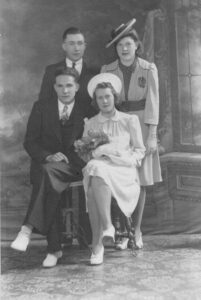
They came into fashion during the 1700s and 1800s to accent to elaborate hairstyles of the time. Doll hats resurfaced again in the 1930s and 1940s. Small but mighty, these decorative accessories added whimsy to and flair to evening and occasion wear.
Juliet caps and half-hats are brimless, close-fitting, structured caps which cover only part of the head. Often trimmed with lace, sequins, flowers, or veils, they became particularly fashionable for special events and formal occasions from the 1930s to 1950s.
Bride Jean MacLeod (seated next to groom Alex MacLennan) and her maid of honour (standing behind bride) look dapper in jaunty, wide-brimmed hats for this 1941 wedding photo. Many brides during the 1940s opted for a simple dress or suit paired with and elegant hat, rather than a gown and veil.
Wide Brims
Cartwheel hats and saucer hats have wide circular brims and shallow crowns. Halo hatshave similarly wide brims but are worn towards the back of the head and can be circular or semicircular.
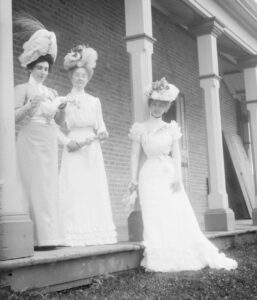
They were (and still are) commonly worn for weddings, cocktail parties, and other events. These styles have cycled in and out of vogue every decade or two since the 1910s. But their popularity really surged during the post-war years of the 1940s and 1950s.
The wide, flat brims balanced the voluminous, flared skirts of the new, fashionable silhouette – and the shallow crown meant that one’s hair could be clearly seen beneath the hat.
This photograph shows three women dressed up in elaborate picture hats for a wedding in Kincardine. Photographed by John H. Scougall, between 1875 and 1922.
… And No Brims
Another excellent option to show off a good hairdo is hat with no brim at all. Perhaps one of the most iconic of brimless hats is the pillbox. The pillbox has a characteristic round shape, often with straight sides and flat top.
The minimalist structure of these hats allows a great range of versatility, making them an ideal accessory for many outfits and occasions. They range in size and might be plain or embellished. They are sometimes accented with a small birdcage veil, or even a full bridal veil.
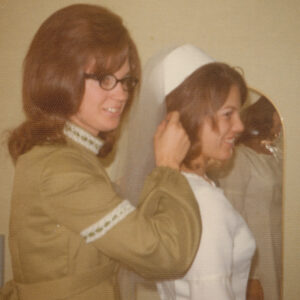
While women had been wearing pillboxes since the 1930s, they appear in greater numbers in the 1950s and 1960s. The pillbox has maintained its classic appeal well into the 21st century and is still worn by wedding guests and brides today.
This 1972 photo shows a white pillbox incorporated into the bridal headpiece worn Carol Barfoot of Lake Charles, in Keppel township, now Georgian Bluffs. The hat and veil were made by Ina Dawson, a seamstress from Lions Head. Photographed by Barb Ellis.
Artifacts
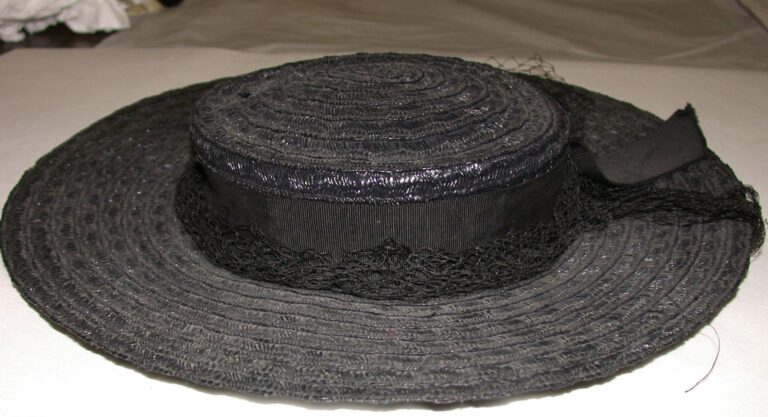
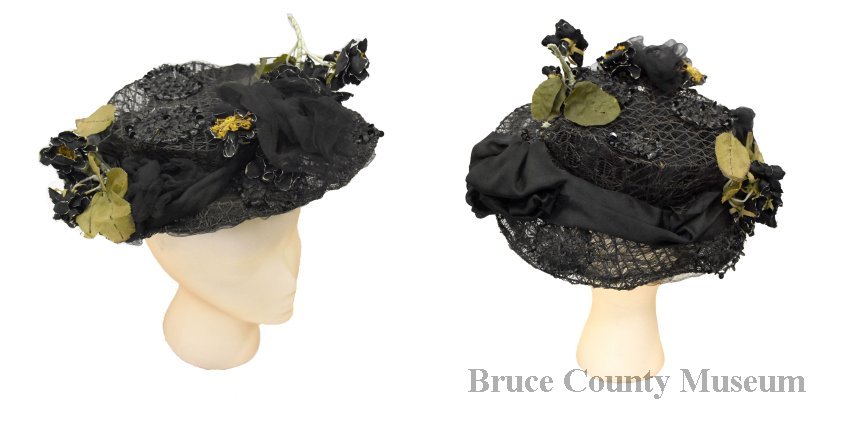
This picture hat was worn by Daisy Ann (Baker) Fisk of Lucknow, for her wedding on May 4, 1904. It is embellished with netting, beads, faux flowers, gauze and satin ribbon. Contrary to modern sensibilities, black was a common colour for bridal attire at this time. Darker colours were more versatile and practical, as these clothes could also be worn for other formal occasions such as funerals and church events.
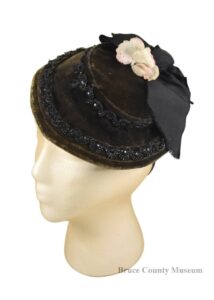
Decorated with beads and ribbons, this miniature velvet “doll hat” was likely worn at a jaunty angle towards the front of the head. So-called doll hats had a resurgence during the 1930s, when fashions were simultaneously influenced by the glamour of Hollywood and the limitations of economic downturn. Doll hats allowed for the incorporation of decorative and experimental styles, while using less materials.
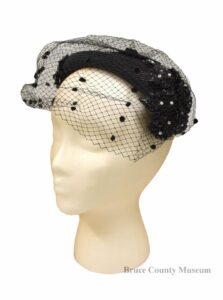
Inside this veiled, black half-hat there is a milliner’s label that reads “A Hand Made Margo Brooks Original”. While small hats like this didn’t provide much functional benefit, they would accentuate the fashionable hairstyles of the time. This glitzy hat belonged to Lucile Willetta Tomlinson (nee Peers) of Port Elgin and Southampton. Lucile was married to William Rae Tomlinson who was a Member of Parliament for Bruce, and the first Mayor of Port Elgin in 1949.
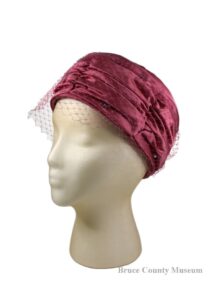
This deep pink, satin pillbox is accented with a matching birdcage veil and iridescent beads. The label inside the hat reads “Charmaine Original, Montreal-Paris”. Pillboxes first came into fashion in the 1930s, after Greta Garbo wore one in a 1932 film. While it remained a staple through the 1940s and ‘50s, Jackie Kennedy’s iconic pastel pillboxes and matching jackets reignited the fervor for this classic hat during the 1960s.
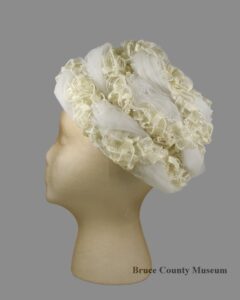
This beehive-style hat of coiled tulle, ribbon, and horsehair braid was worn by Anne Guthrie to a wedding in 1965. The beehive is a taller, more tapered variation of the pillbox; it came into fashion briefly during 1960s.
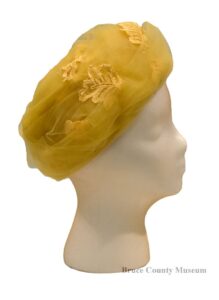
Elsie Houston wore this layered mesh and lace hat to her eldest son’s wedding in April of 1967. The marriage announcement described her outfit as follows: “a floor-length sheath-gown of gold lace over gold peau de soie, gold accessories to match, and a corsage of yellow cymbidium orchids”. These satin pumps were part of her ensemble.
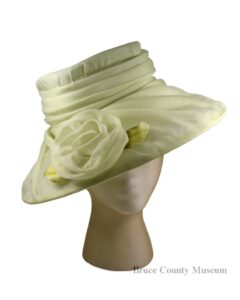
Trimmed with swirling, mint-green organza and a matching rosette, this brimmed mesh hat would have made the perfect accessory for a springtime wedding or garden party. The label inside reads “Lady Beatrice Model – Made in Canada”.
Common Caps - Hats for Everyday Life
In the 19th and early 20th centuries, hats were an essential part of daily attire; nearly everyone wore a hat, and what kind you wore said a lot about who you were.
Often, what became fashionable was born out of necessity, the limitations on what was available, and economic status. There were some exceptions as with the middleclass and even some hats that would be used by both men and women.
Functionally Fashionable
In the late 1800s and early 1900s, flat caps were a staple among working-class men,
particularly labourers and factory workers.
These practical hats provide warmth and protection from the elements, making them ideal for daily wear.
Typically made from simple fabrics in muted colours or basic patterns, flat caps were affordable and easy to produce.
Some workers would even personalize their caps with buttons or badges, often symbolizing support for labour unions or expressing personal beliefs. These subtle additions transformed a functional item into a quiet statement of identity and solidarity.
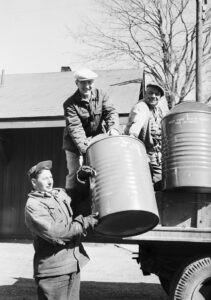
This photograph shows the use of flat caps as workwear. The men pictured here were placing garbage cans on Port Elgin streets in an effort to reduce litter in the late 1950’s. This image was part of a collection of over 20,000 images captured by teacher and photographer J. Lindsay Thornburn from 1950-1983.
The Gentlemen’s Hat
As the middle class grew in the 19th and early 20th centuries, professionals such as office workers, doctors, and lawyers could afford finer materials and craftmanship.
Originally designed in England by Thomas & William Bowler in 1849 and popularized by Edward Coke, the bowler was intended as a shorter, sturdier alternative to the top hat, ideal for men whose work often led to their hats being knocked off.
Iconic Elegance
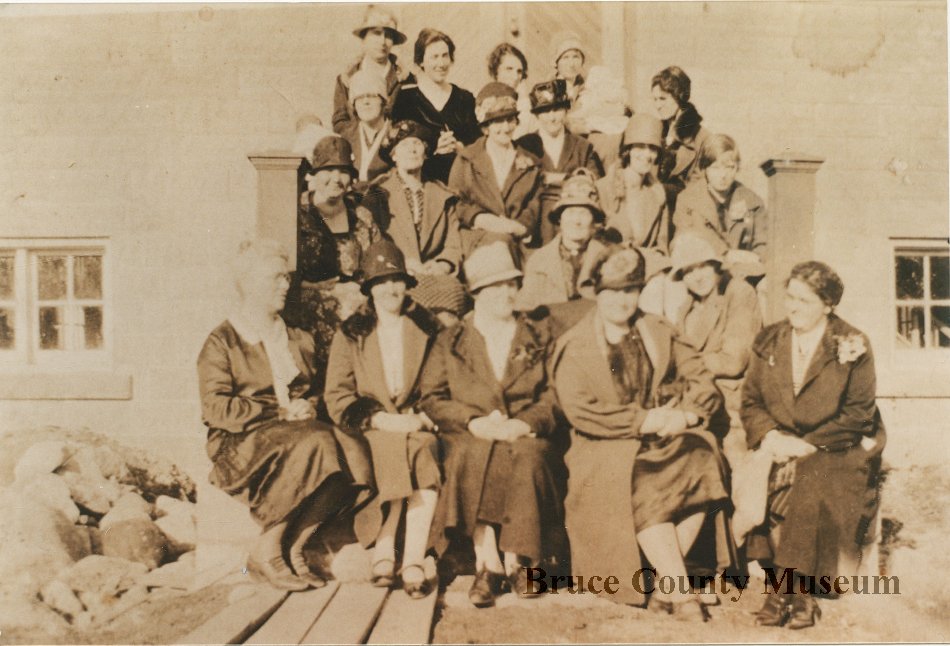
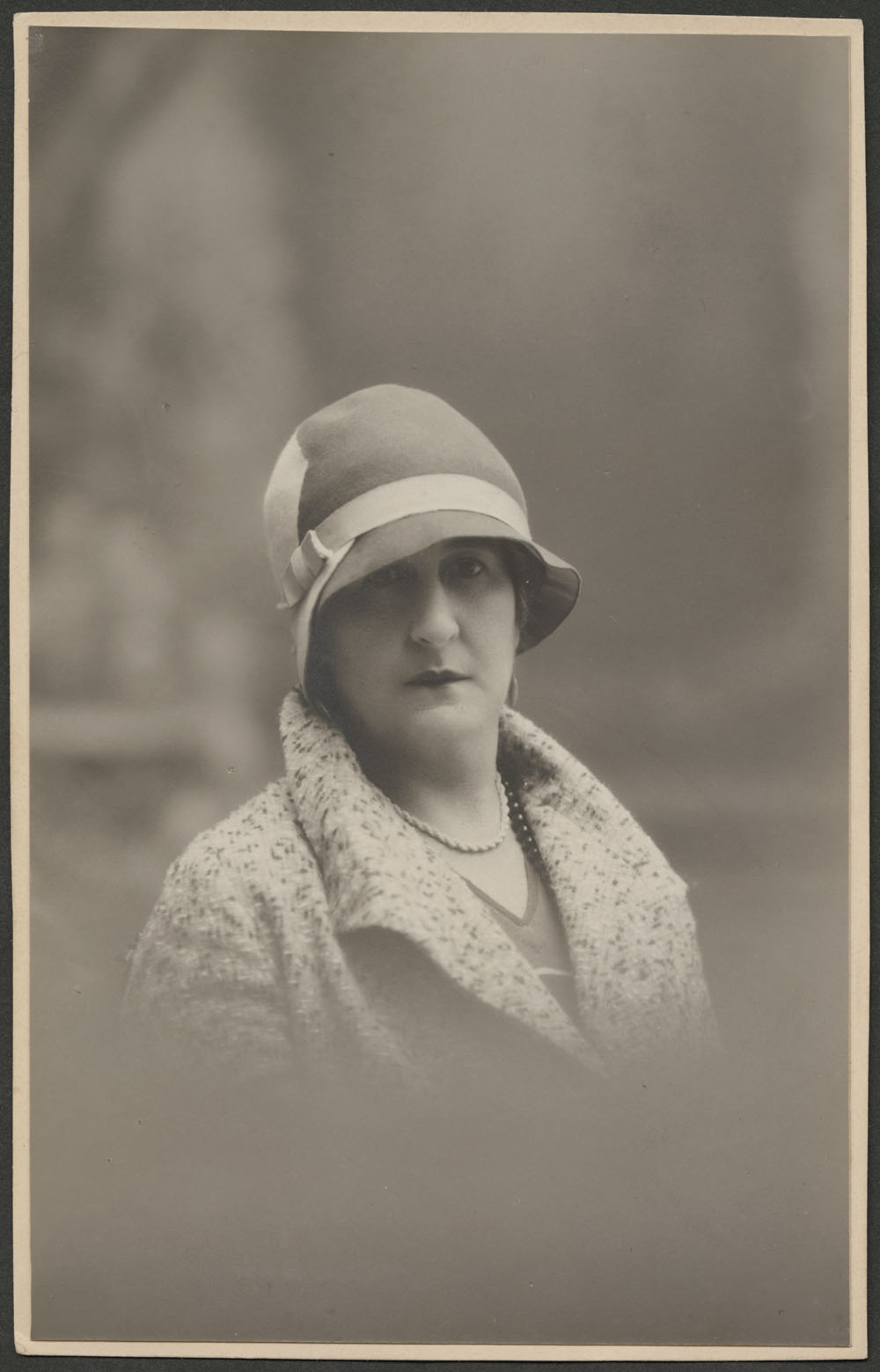
The 1920s ushered in a wave of new fashion for women, and the cloche hat quickly became a defining symbol of the era.
With its close-fitting, bell-shaped design, the cloche was stylish, practical, and often available in a range of colours from vibrant hues to more subdued tones.
As more women entered the workforce in the early 20th century, the cloche emerged as a fashionable statement of modern femininity.
Made for Summer

A notable exception to class distinctions in fashion, the boater hat was popular in the early 1900s.
Worn by both men and women across social classes, it stood out as a rare example of gender-neutral headwear.
A lightweight hat of woven straw, boaters were ideal for warm weather, offering excellent shade and breathability.
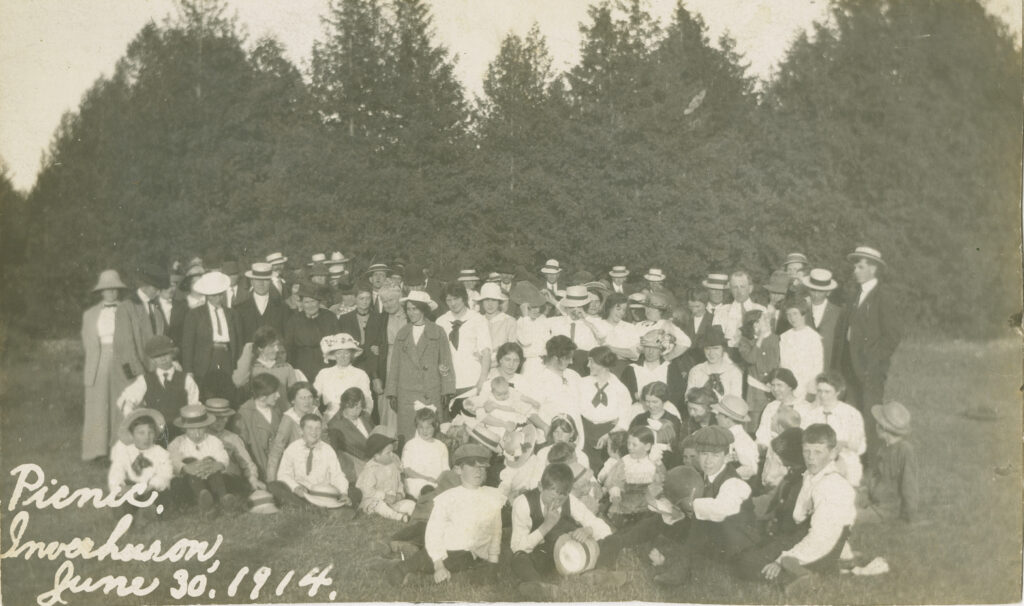
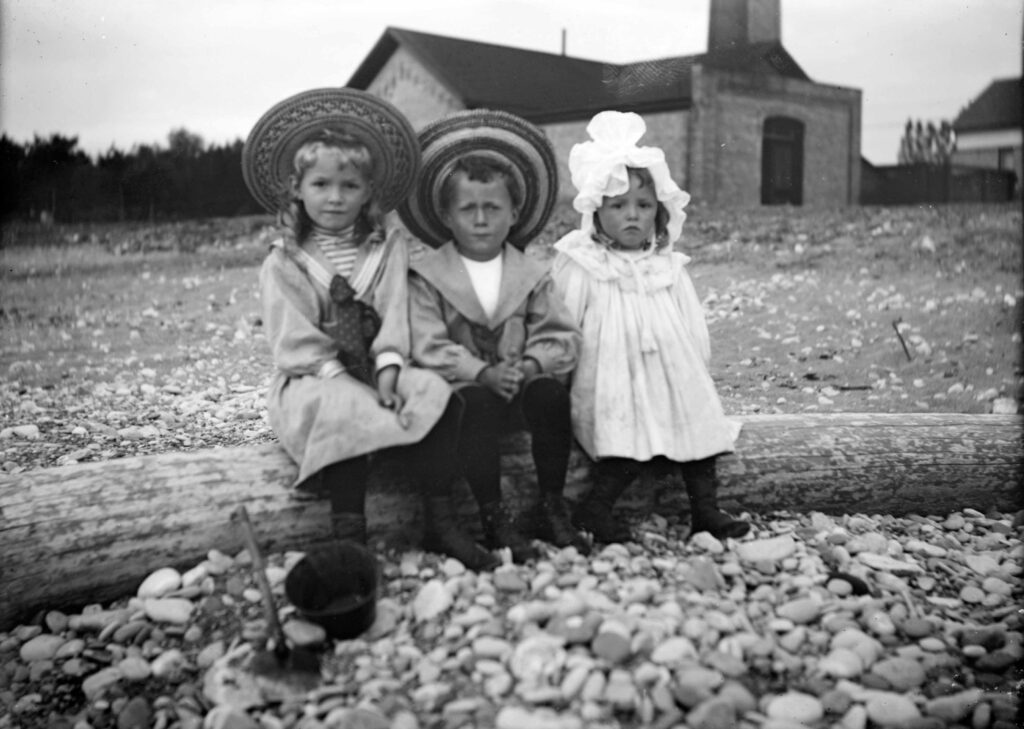
This photograph showcases how boater hats were worn by men, women, and children. This versatile style was perfect for outdoor activities, and was evidently favoured by many of the folks in this group gathered for a picnic at Inverhuron on June 30, 1914.
Bonnets
Throughout the 1800s, bonnets were essential to women’s dress in Ontario, blending fashion,
function, and cultural significance. Early in the century, everyday bonnets were made of simple cotton, while upper-class women wore more decorative styles.
As the century progressed, bonnets became smaller and more decorative, featuring silk, velvet, ribbons, feathers, and artificial flowers. Milliners often adapted styles from other parts of the world for local climates and using available materials.
By the late 1800s, shifting hairstyles and changing social roles led to the decline of the bonnet in favour of other headwear. Still, the bonnet remains a lasting symbol of 19th-century fashion and cultural identity.
Artifacts
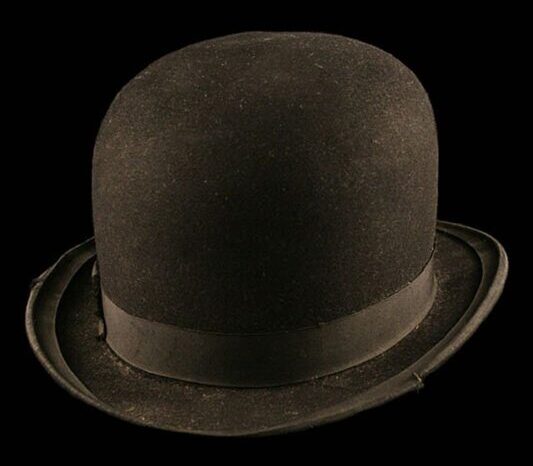
The men’s bowler hat design boasts a round dome-like crown and a short, upturned brim. Typically made of stiff felt, these hats were made for durability. This particular bowler belonged to Ernest Cunningham of Glammis, who operated the General Store there.
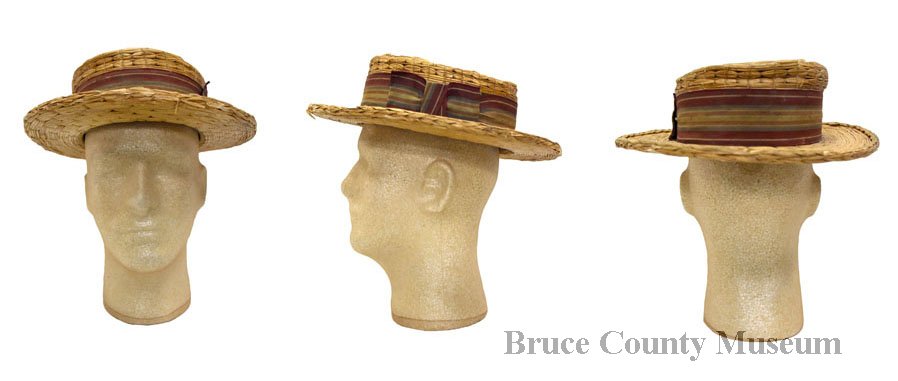
The straw boater hat offered lightweight protection from the summer sun. Though simple in shape, boaters often incorporated little details that added charm and visual interest. This men’s boater hat features various reeds woven together to create a braided effect. It was sold at the Ker and O’Bright store in Walkerton, which operated between 1922 and 1952. The store carried both ready-made menswear and men’s accessories, as well as custom-tailored options. It was operated by Bill Ker and Earl O’Bright.
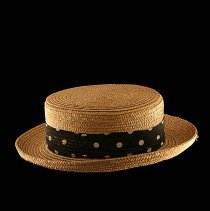
Since the boater granted its wearer with both sun-protection and a pinch of pizzazz, this functional and fashionable style became a go-to choice for all, regardless of age or gender. This pint-sized version of the straw boater hat was made specifically for children. It came from the C.E. Whicher Store located in Colpoy’s Bay.
Women’s boater hats would generally take on the same basic structure as men’s, but with extra width on the brim for more face protection. Women would often add in some personal flair with ribbons, flowers, and dyed straw. This hat was worn by the donor who lived in Tiverton, Ontario.
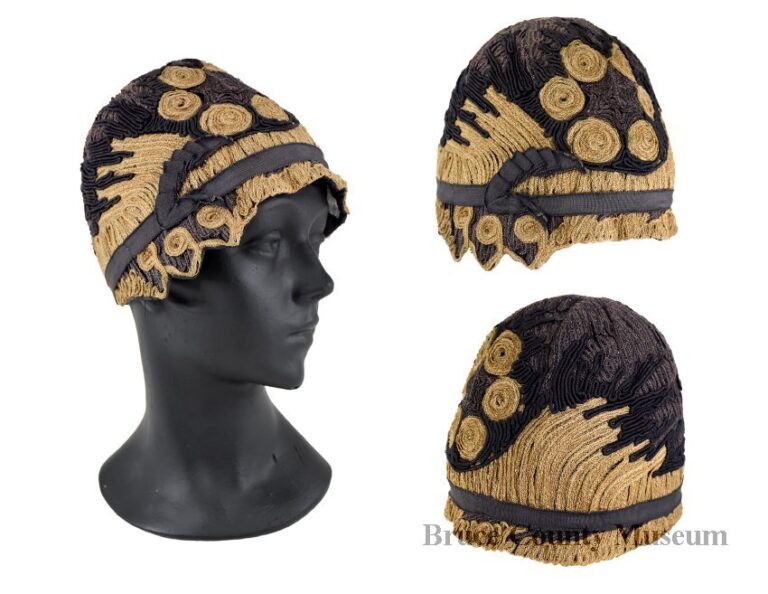
The cloche hat was a statement piece, gaining popularity in the 1920’s. The name comes from the French word for ‘bell’, which describes the round dome and brim silhouette typical of this style. The original owner of his hat is unknown.
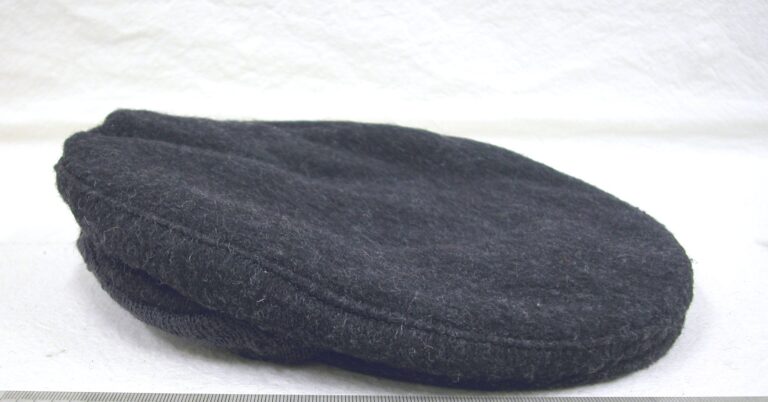
This flat cap is made of wool, making it the perfect utility hat for the cooler months. Many flat caps also had earflaps that the wearer could fold down for extra protection against the elements. This flat cap was worn by the donor in the 1950’s.
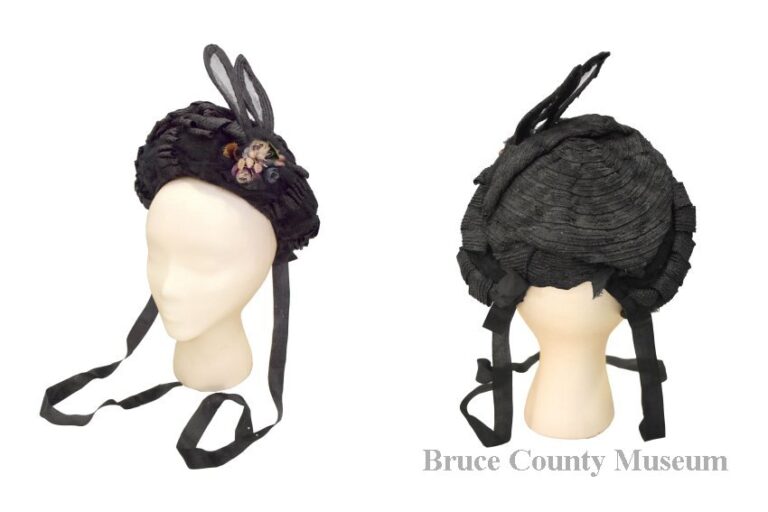
Bonnets were an everyday staple for women through much of the 19th century and beyond. Styles of bonnets could range from simplistic to extravagant, but most shared the same overall shape: long ribbons to tie under the chin and a back covering the crown of the head, leaving the forehead uncovered. This bonnet was worn by Mrs. George Henderson who lived on the 2nd concession of Elderslie Township.
Hat Pins - Keeping it Together
For centuries, women have used pins secure hats, veils and wimples to their hair. While elite women could afford pins with ornamental heads, for most, they would be plain and functional.
Between 1832 and 1841, an American inventor named John Ireland Howe patented designs for pin-making machines, which were adopted for the manufacture of hatpins over the subsequent decades.
The ability to mass produce hatpins in a variety of materials and styles meant that they became much more affordable to a wider demographic of women. As large, elaborate hats rose in popularity during 1880s, so did the demand for hatpins.
For the next 40 years, hat pins remained an essential part of a woman’s wardrobe. During this time, hatpins appealing to a variety of styles and budget points were widely available.
They were usually around 6 to 8 inches long, but as hats got bigger, so did hatpins. Sometimes, hatpins up to 12 inches long would be required to hold a sizable hat in place.
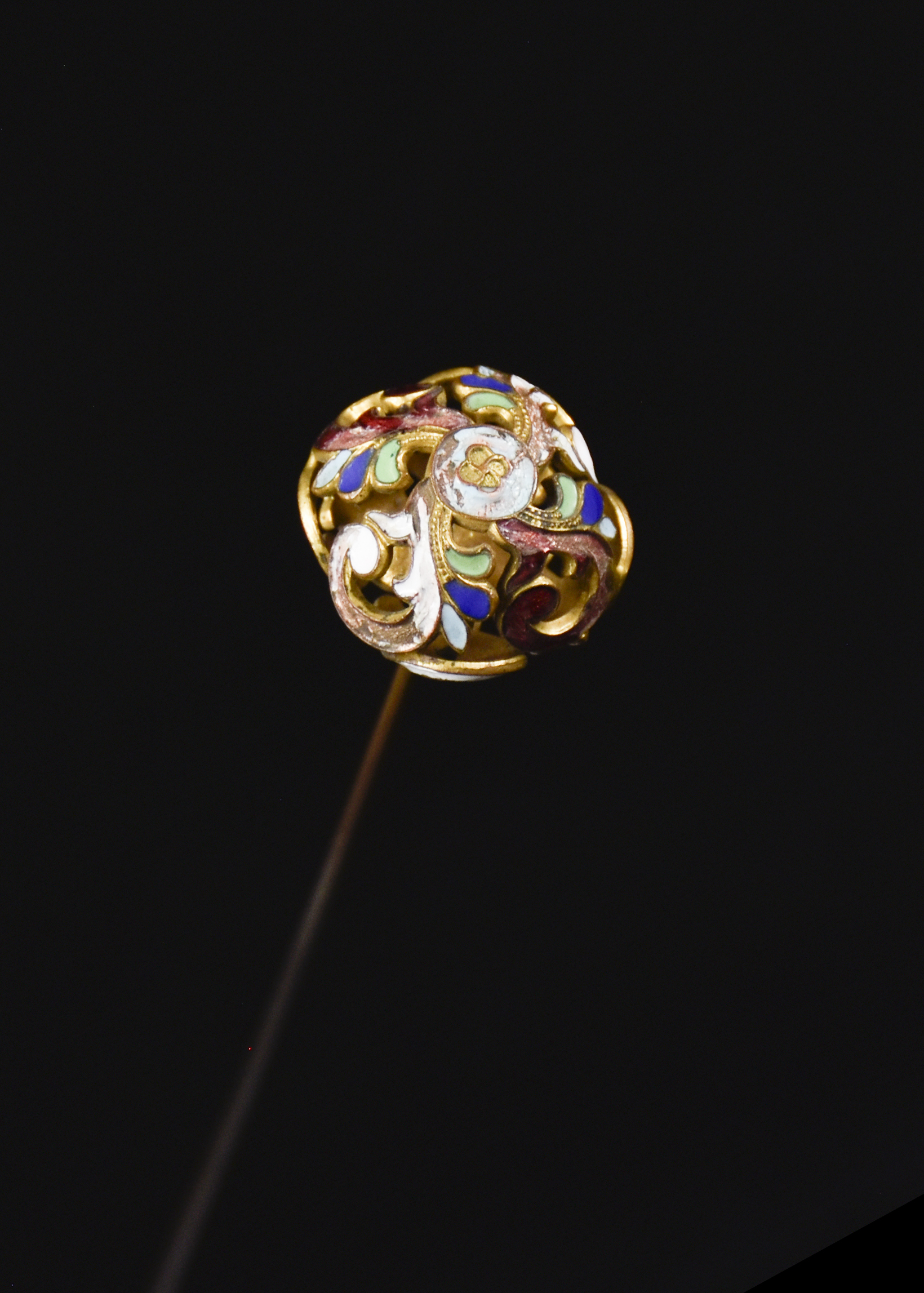
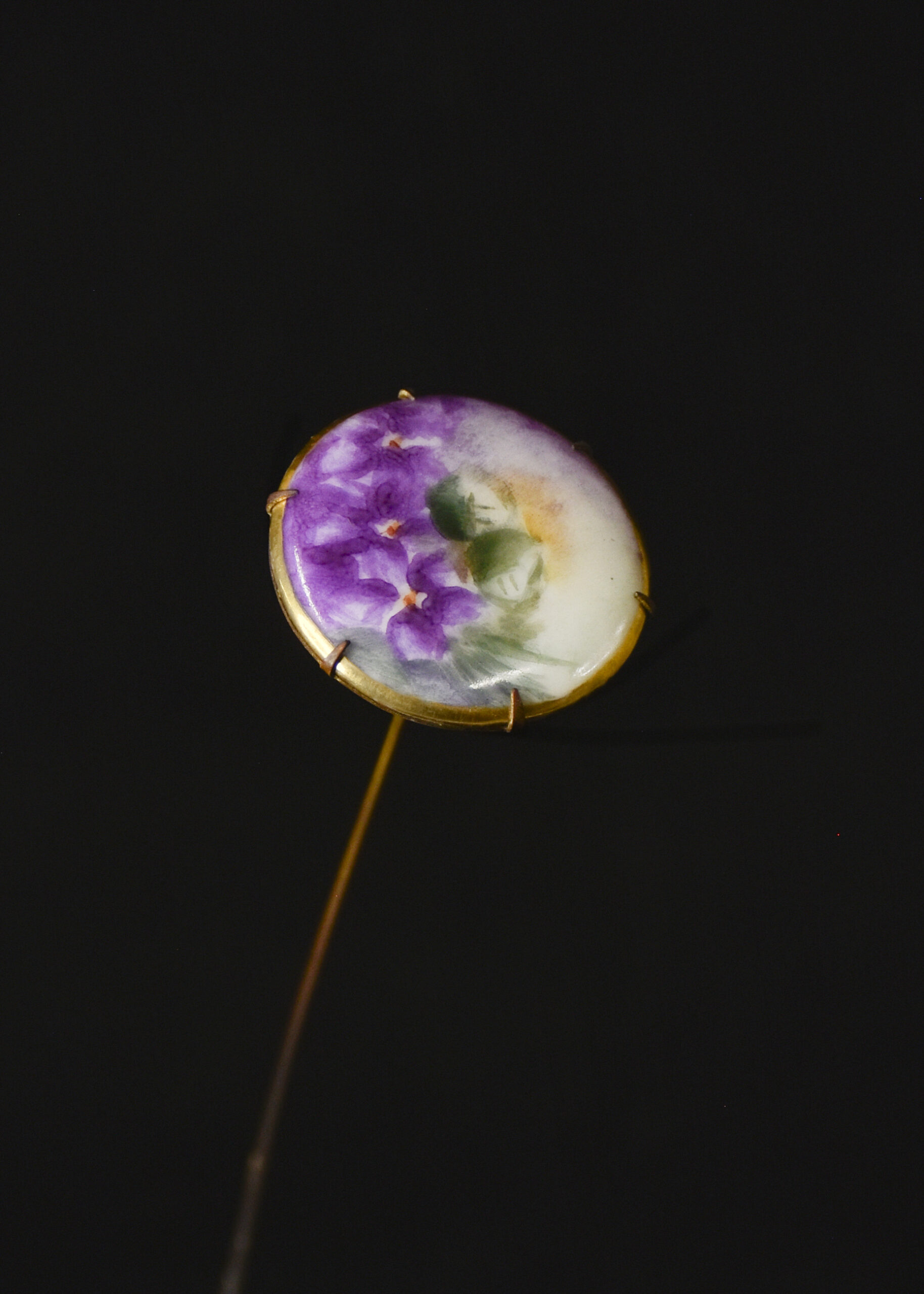
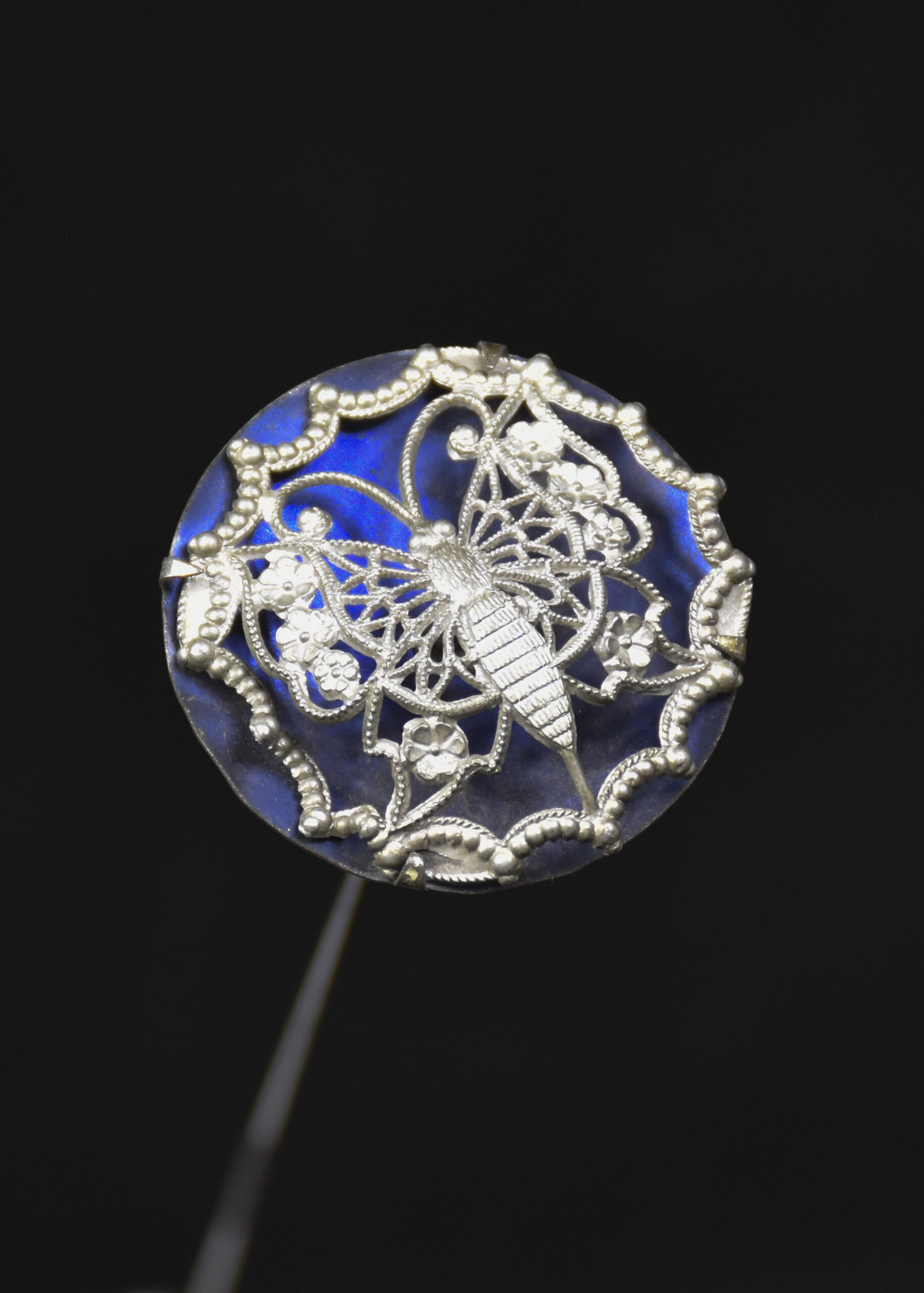
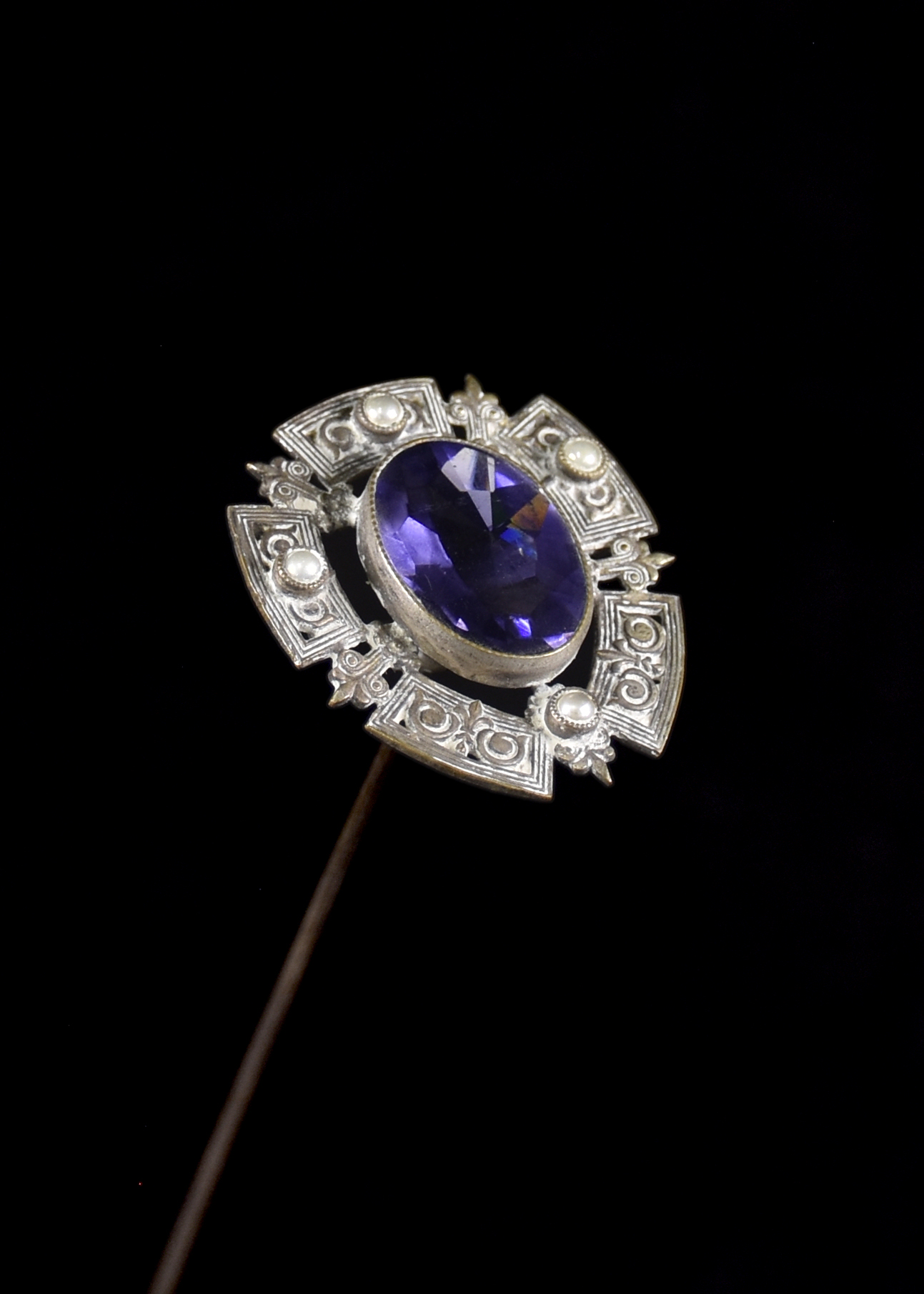
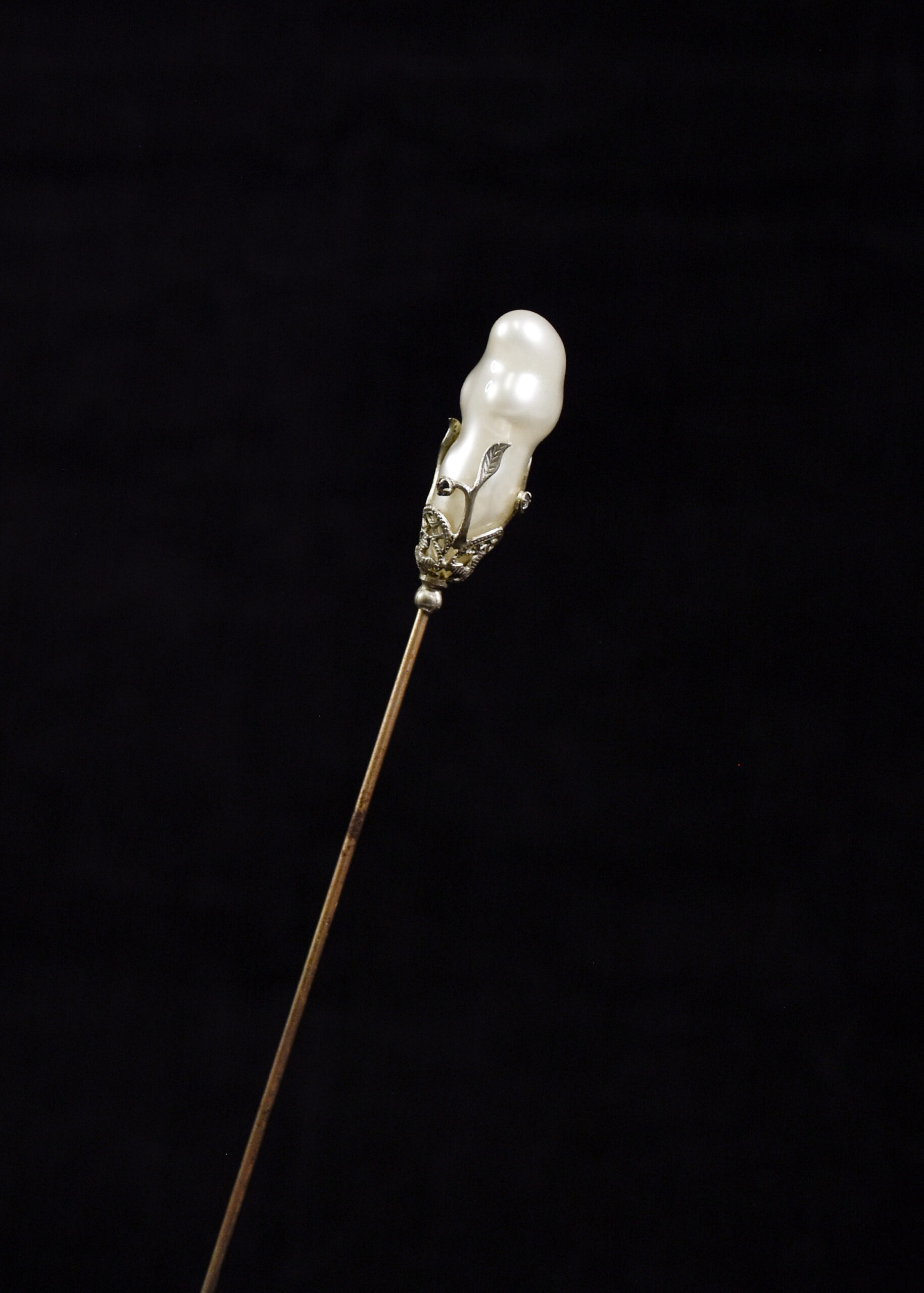
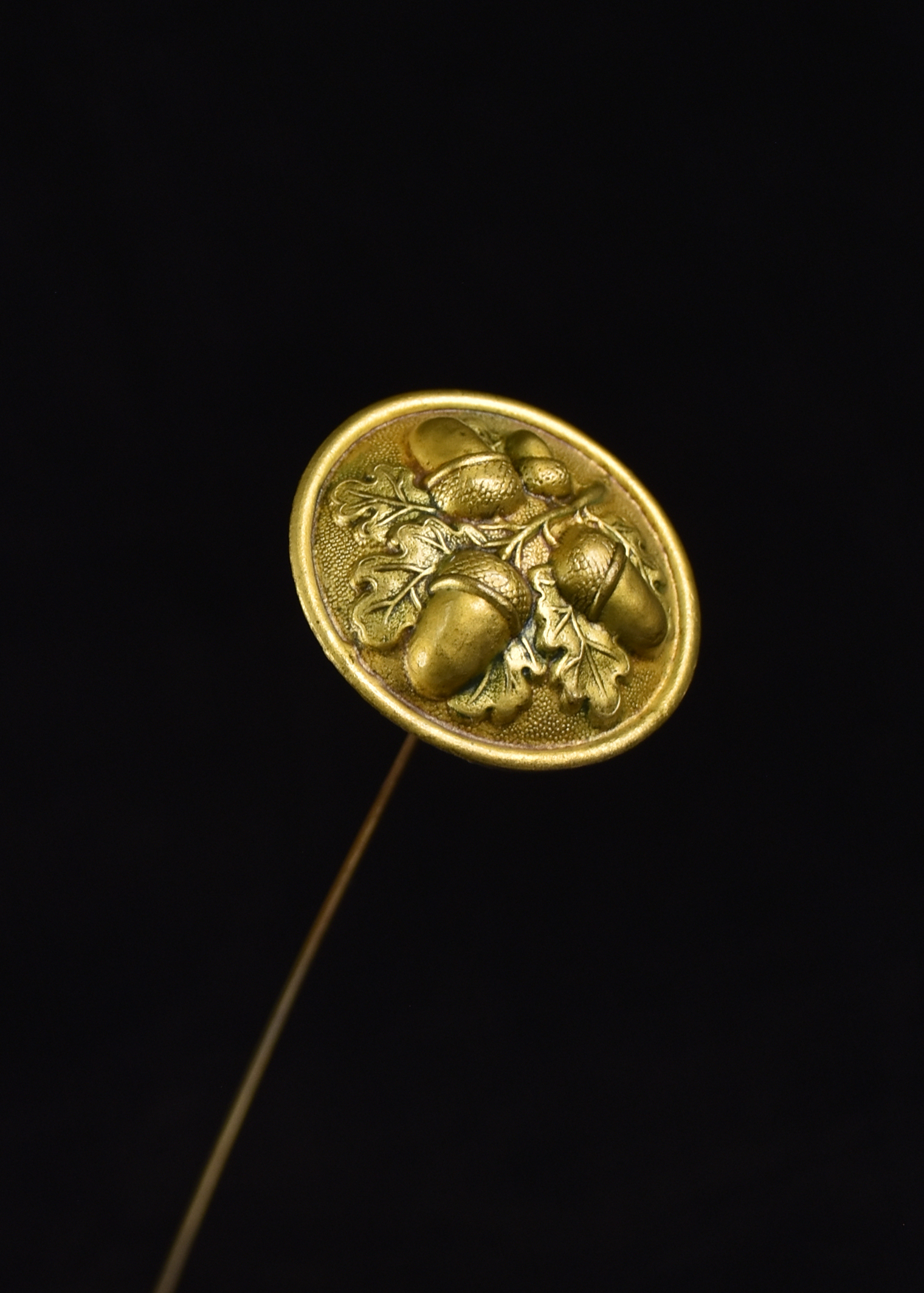
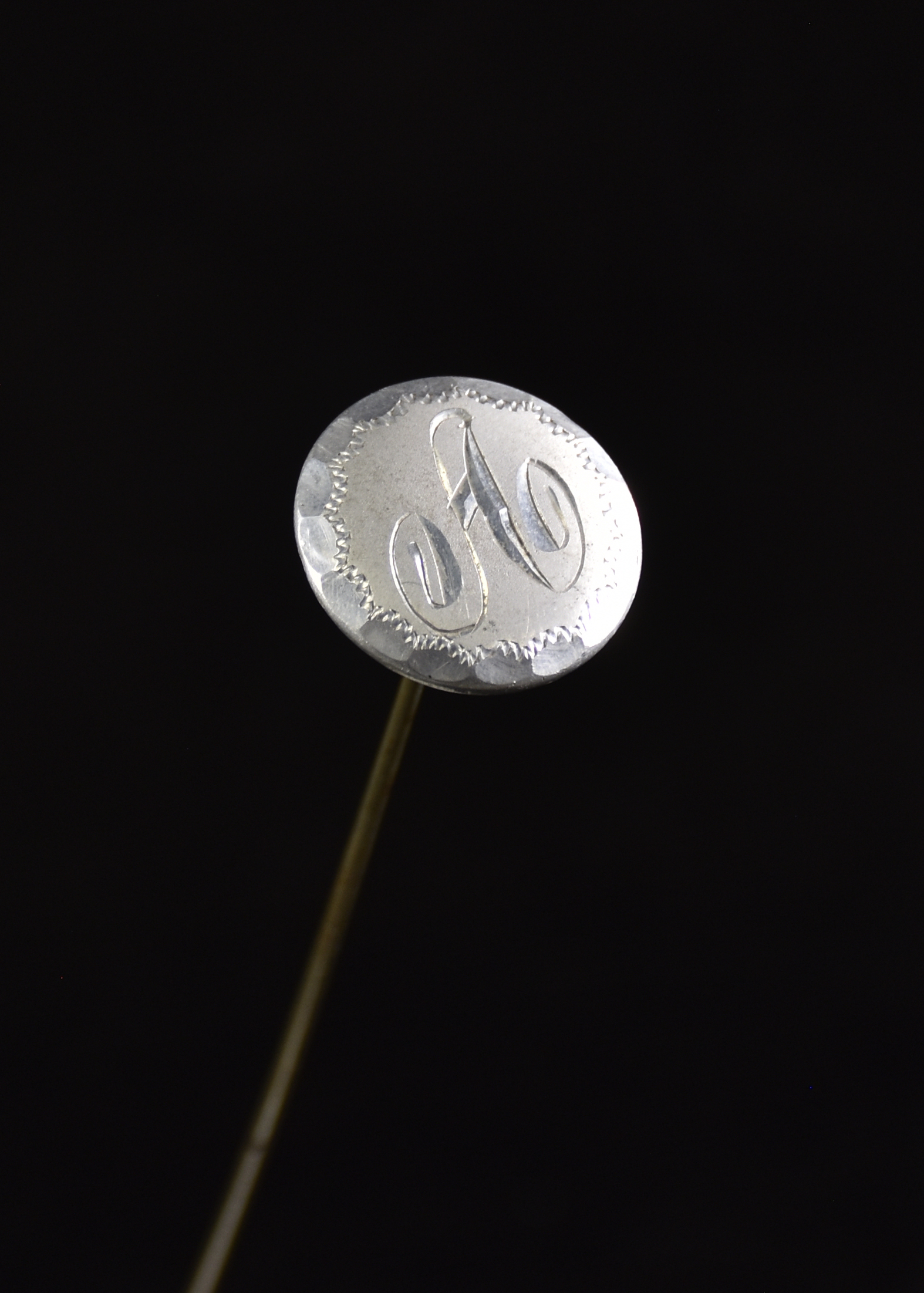
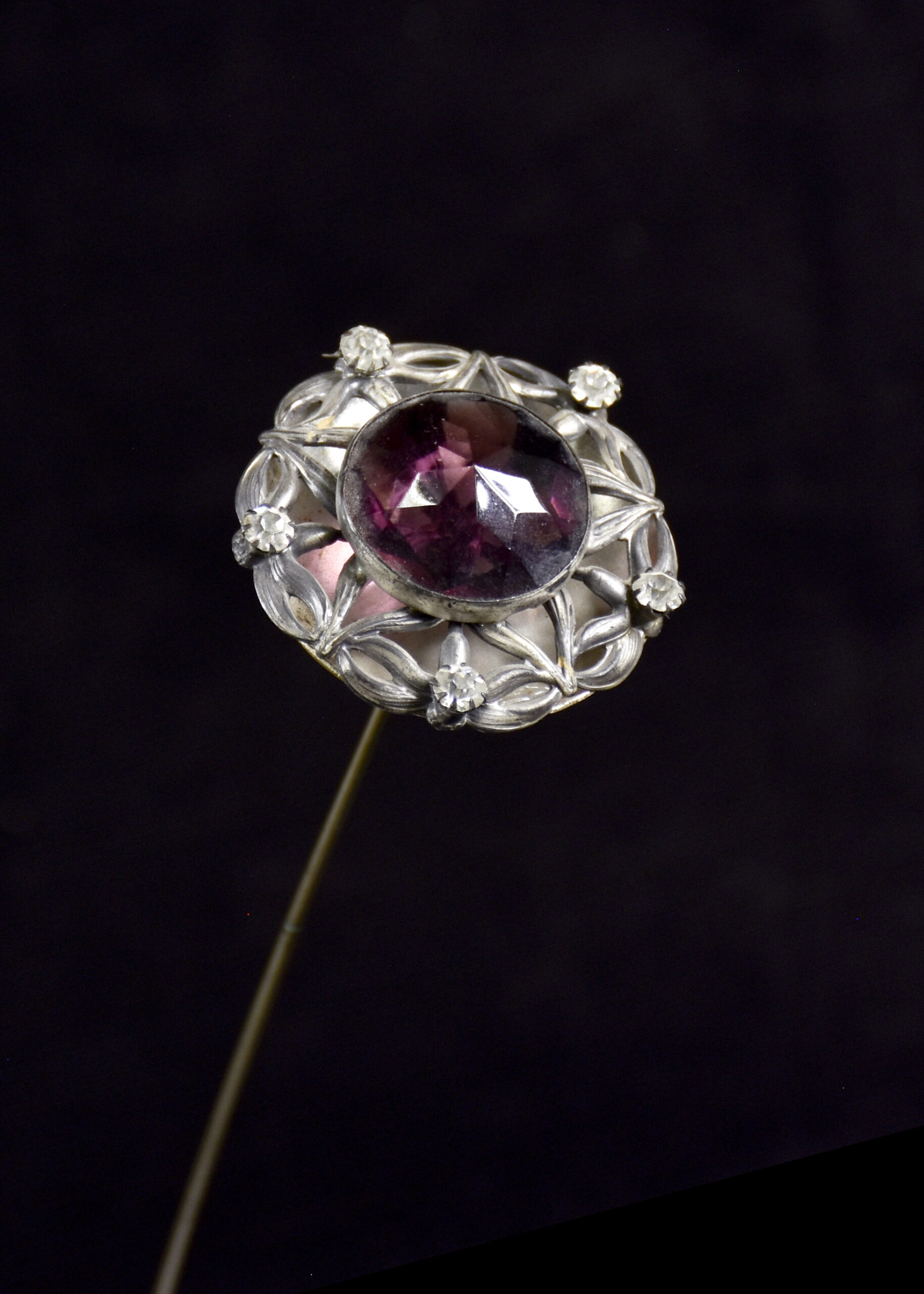
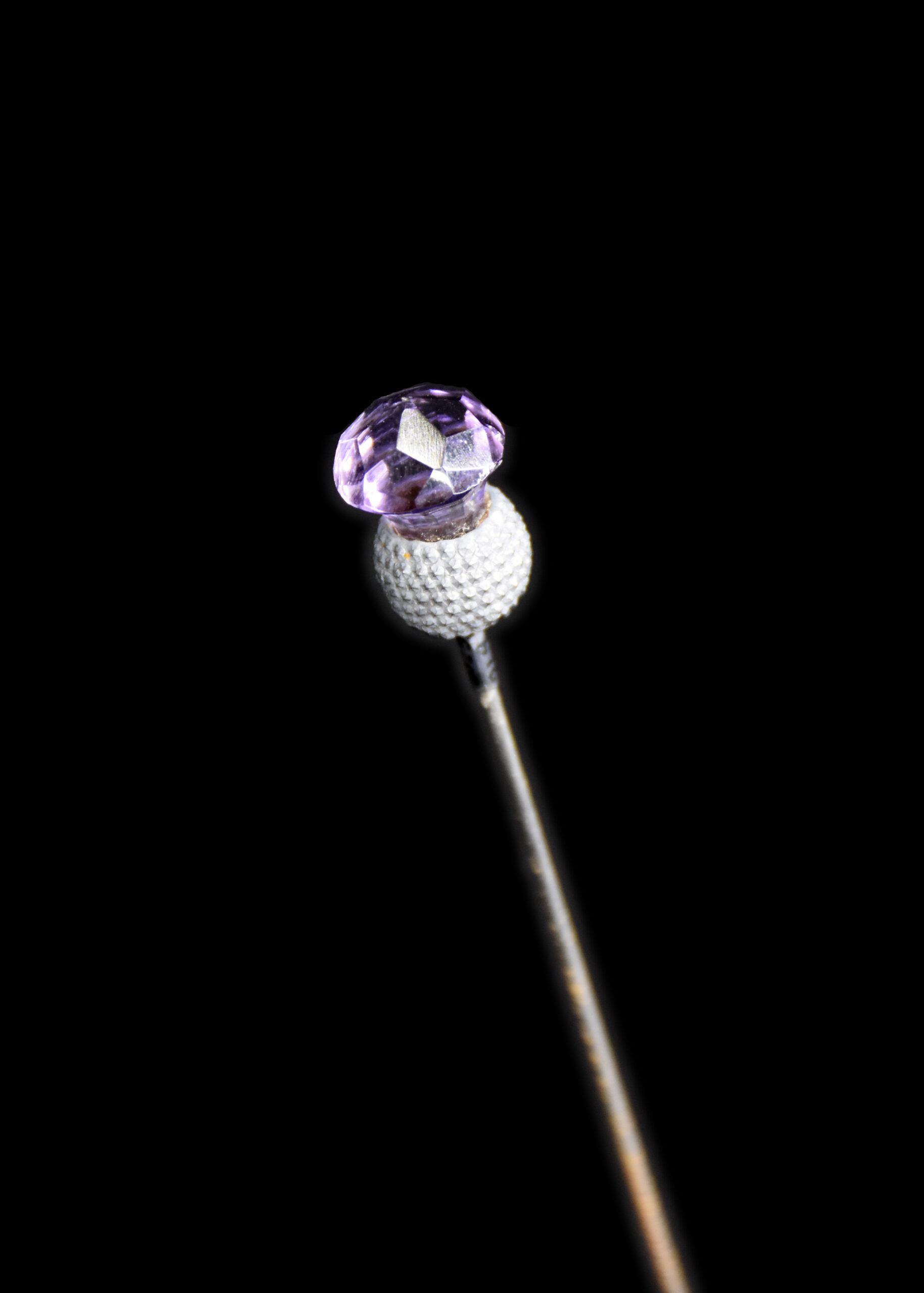
Hatpin finials ranged in material and form, from simple round knobs to ornate designs. Pinheads might include pearls; glass beads; gemstones; shells; gold and silver filigree; colorful enamel; medallions embossed with birds, insects and floral motifs; and on and on. Hatpins became fashion accessories in their own right, both securing and complimenting one’s hat.
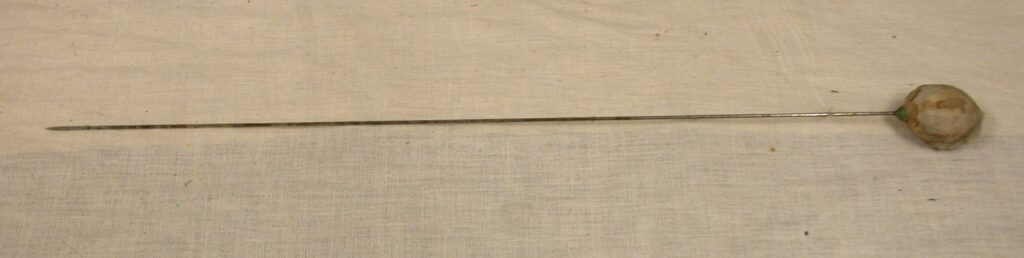
Here is a sampling of hatpins from the Museum’s collection, which display a variety of decorative designs.
Fashionably Fierce
Many women soon found that these long, pointy accessories could serve yet another function: self-defense. By the 1900s, there were numerous stories and newspaper reports commending gutsy girls who used their hatpins to fend off harassers – and even thwart a few burglaries!
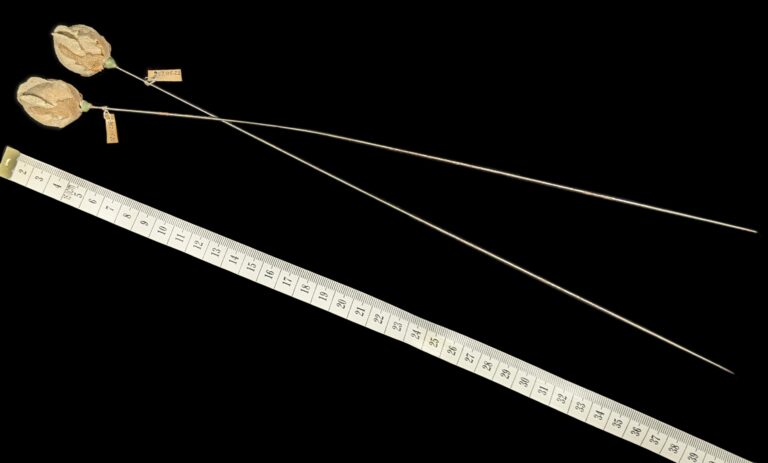
Measuring 14 inches from to “hilt” to (very sharp) tip, these rosebud hatpins mean serious business. They are some of the longest hatpins in the Museum’s collection.
Equally as fashionable and no less fierce, the large pearl-headed pins by their side measure 11 inches in length.
“If you are in doubt what to give a woman, buy her a hatpin and you will know that you have a given her a weapon of defense, a convenient household utensil, an ornament, and an article of wearing apparel all in one.”
excerpt from an 1892 write-up in the Teeswater News, playfully extolling the many uses of the hatpin.
Hat Pin Holder
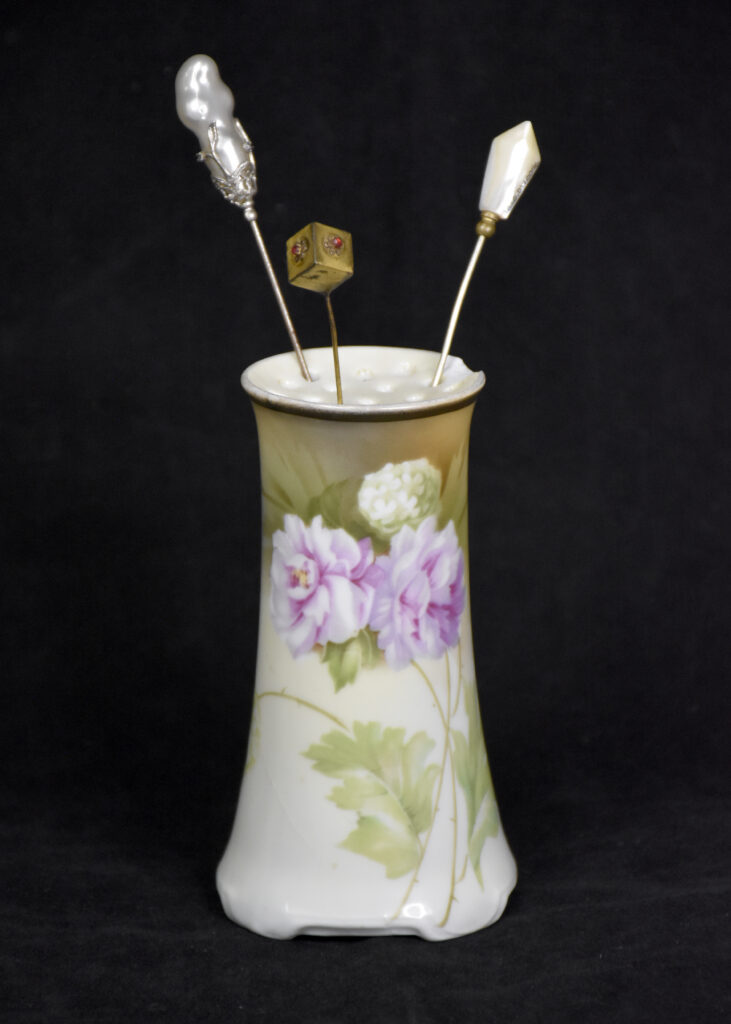
Hatpin holders became a practical and decorative way for women to store and organize their hatpin.
collections. These often (but not always) came in the shape of a small ceramic vase, with holes in the top to insert the hatpins.
This ceramic hatpin holder was made in Germany and was given to the donor as a gift.

Luxury and Status
The place from which a material or garment originates can also carry a high degree of prestige. This legacy is rooted in the historic textile guilds and garment-makers in some European cities such as Florence, Venice, and Paris. Having a hat made in Italy or France meant the cost and style was elite.
Perched atop the head for all to see, hats have long been used for displaying the wealth and status of the wearer.
A hat’s craftsmanship, materials, embellishments, cost, and even its colour and shape, could all convey information about one’s station in society.
Materials
The epitome of soft and sumptuous, velvet was once available only to elites.
Initially, velvet was primarily made from silk and required complex weaving with specialized looms. The resources, time and skill required for its production made this luxurious textile rare and expensive.
Advancements in weaving technology during the Industrial Revolution made velvet more widespread and accessible. Additionally, velvet began to be made from a variety of more affordable fibers including cotton and rayon.
In contrast, felt was widely used to produce hats for all levels of society. From the Middle Ages through the Early Modern period, different styles of felt hat were worn to denote affinity with various occupations and ranks among tradespeople, nobility, and clergy.
Craftsmanship
Those with more disposable income had the option of procuring a custom hat created by a milliner (hat-maker). Mostly female-led, the millinery industry stood at the vanguard of ever-changing fashion trends.
Having a special milliner from the big city come to visit the small-town shops would draw in crowds of people vying for appointments. Meeting with a milliner to design a hat that fits with one’s personal style was a luxury in itself.
The experience of being able to browse fabrics, ribbons, and embellishments during a one-on-one appointment gave the buyer confidence they were getting a one-of-a-kind, quality piece. Milliners were in business in Bruce County as early as 1865 in various towns including Paisley, Kincardine, Mildmay and Port Elgin.
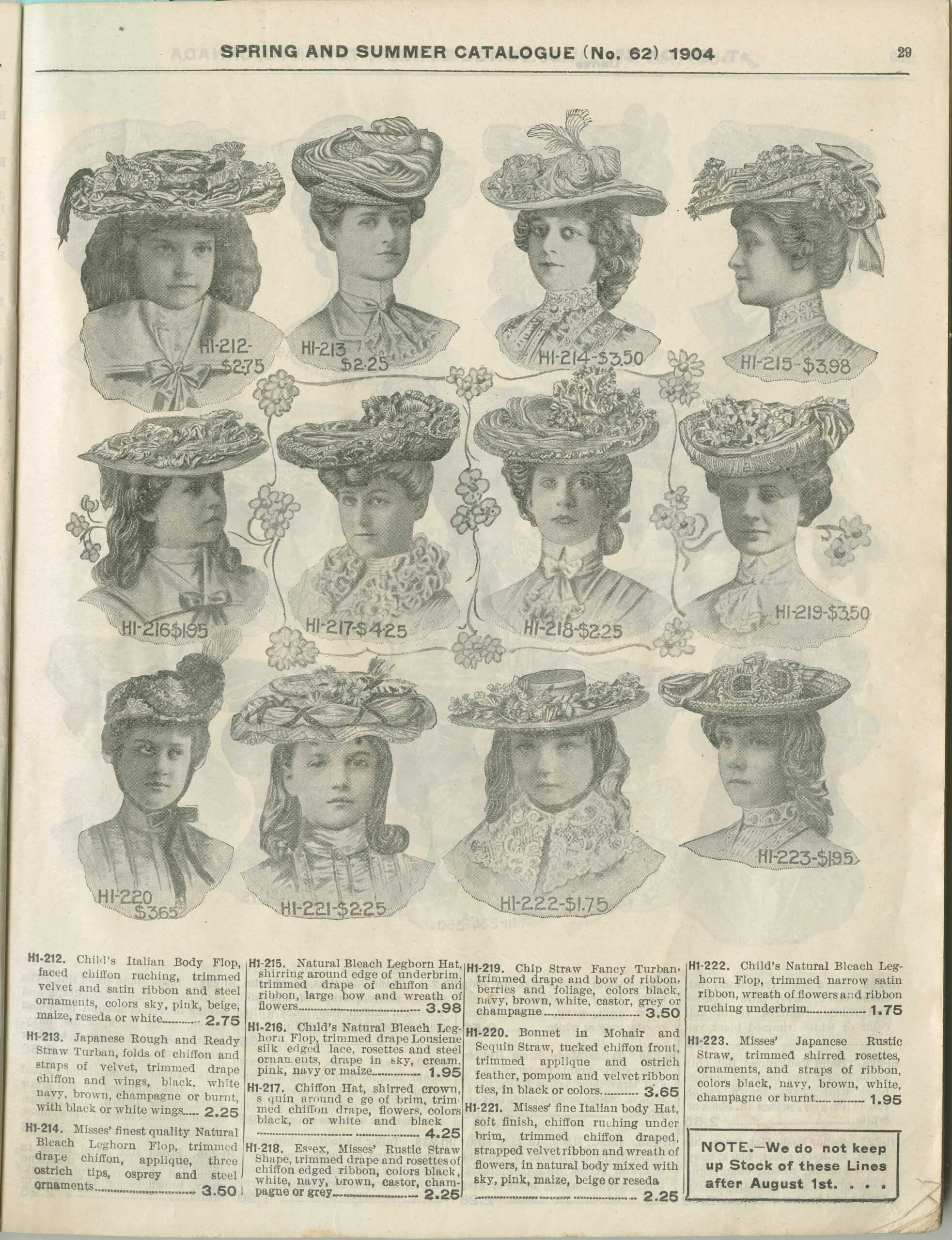
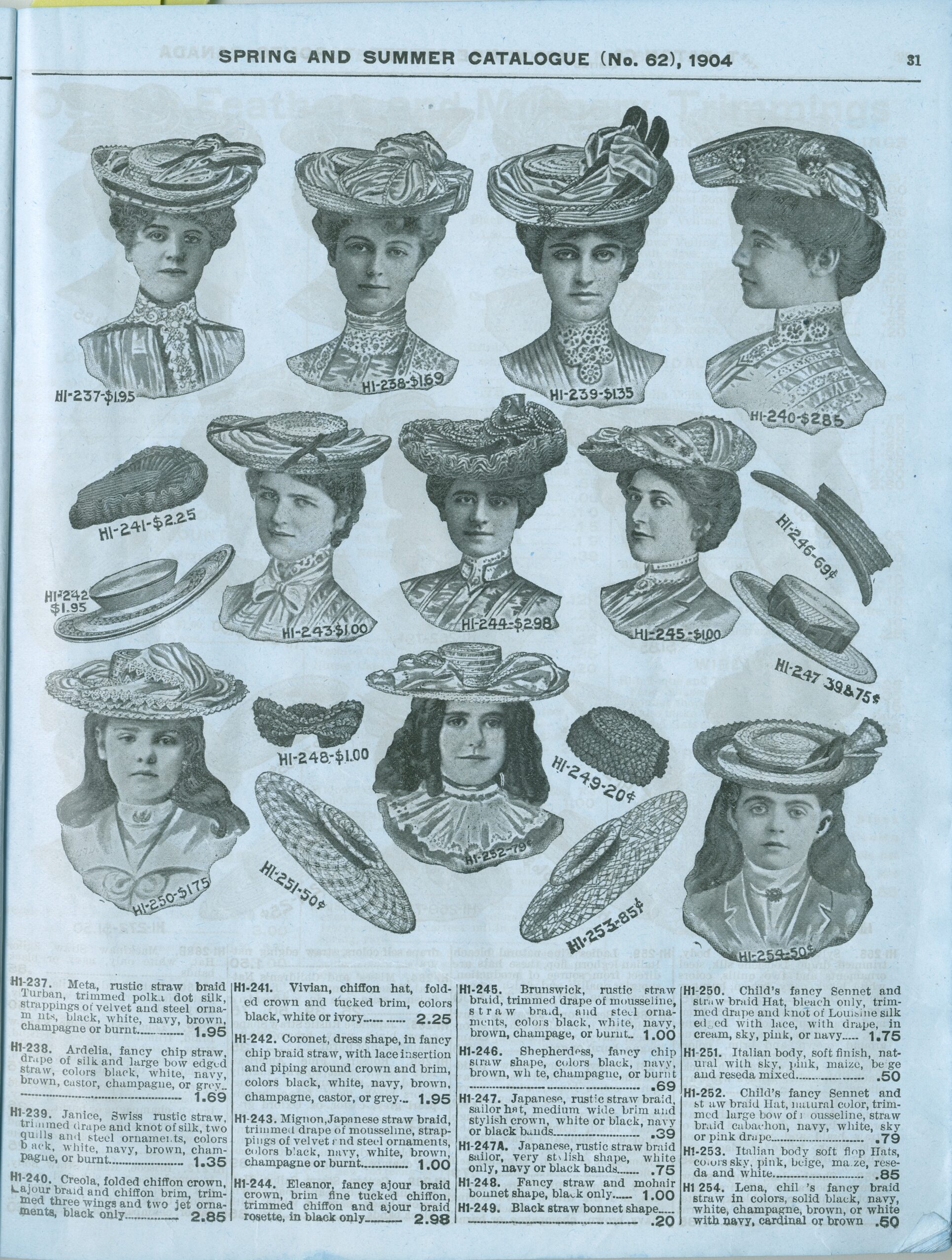
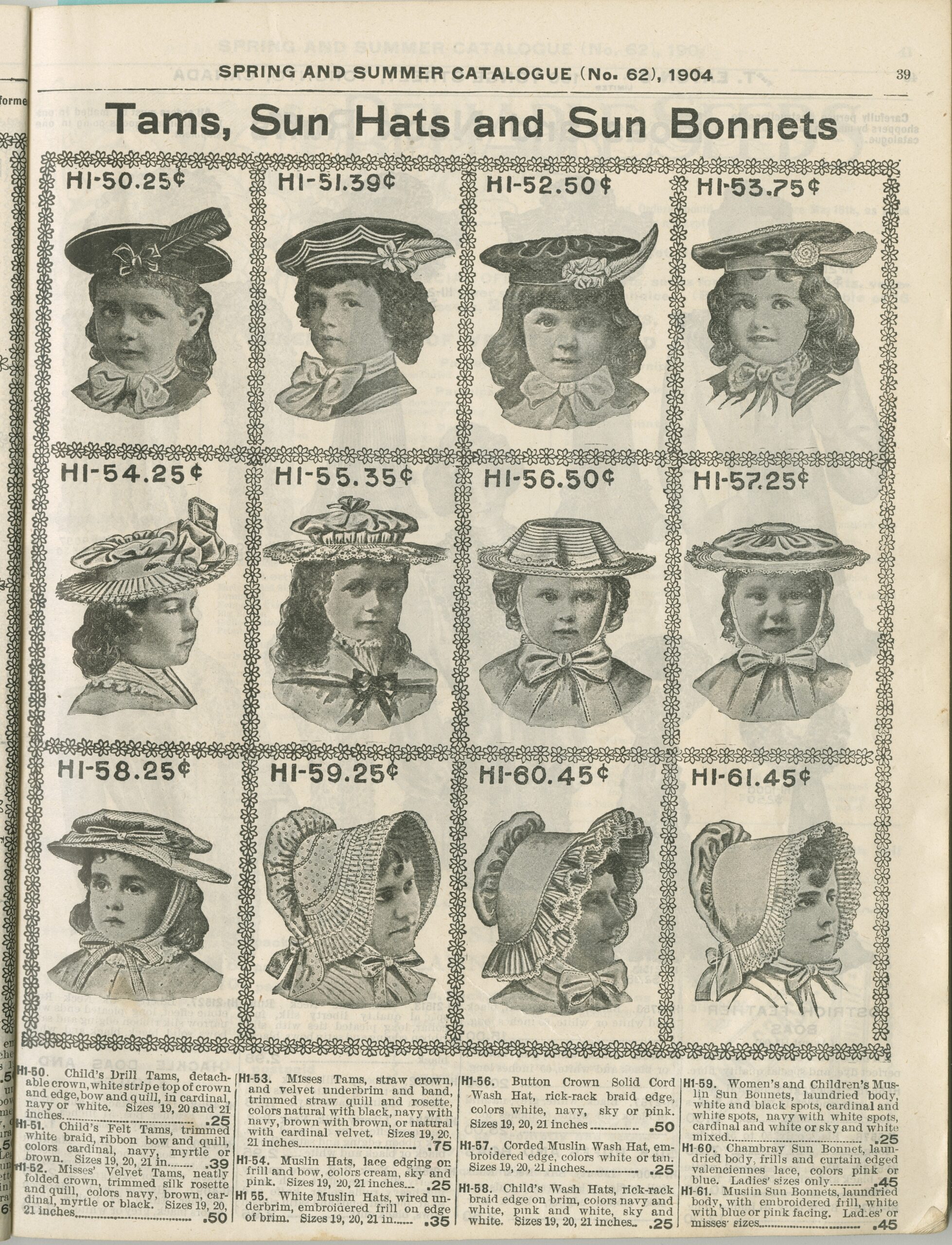
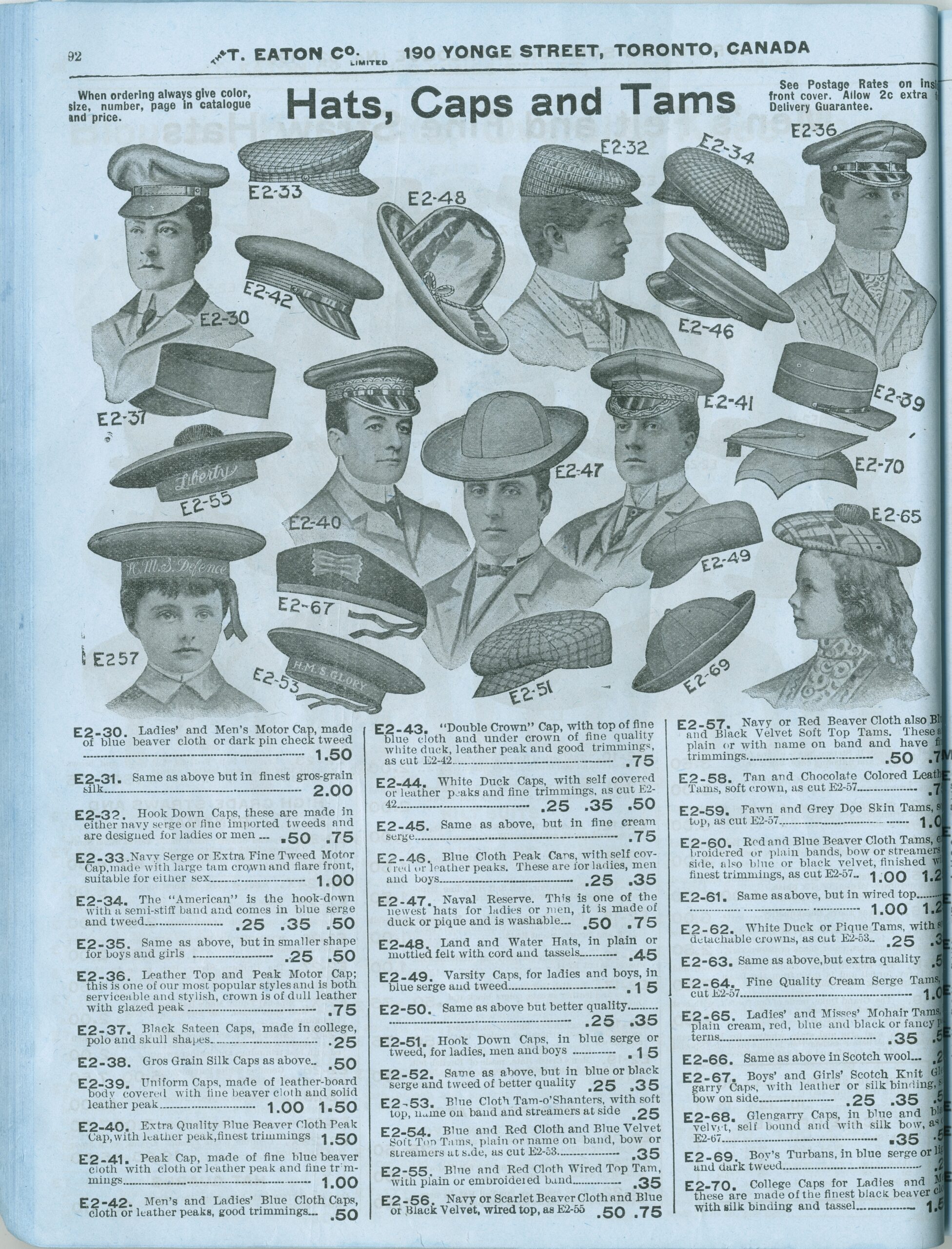
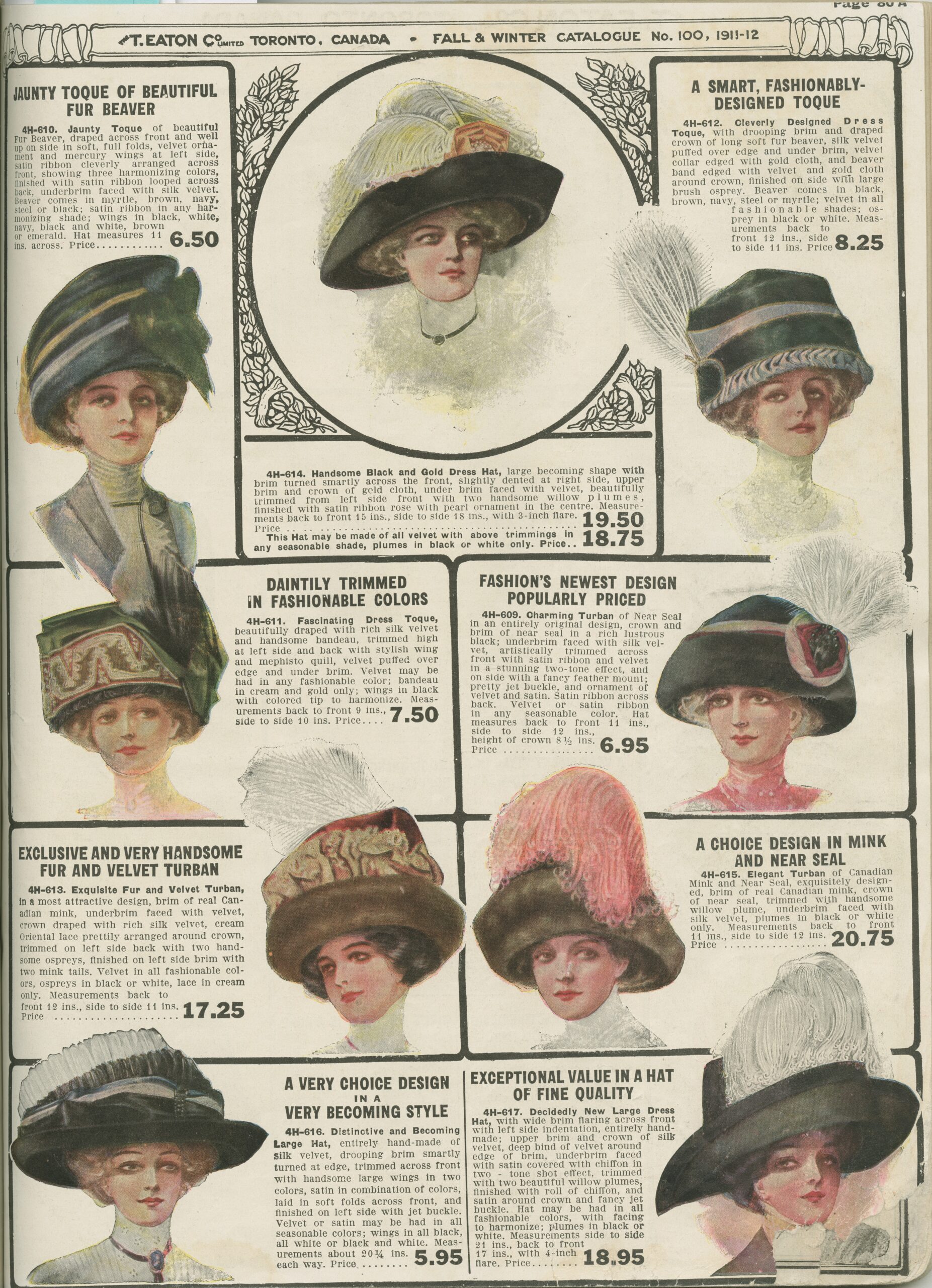
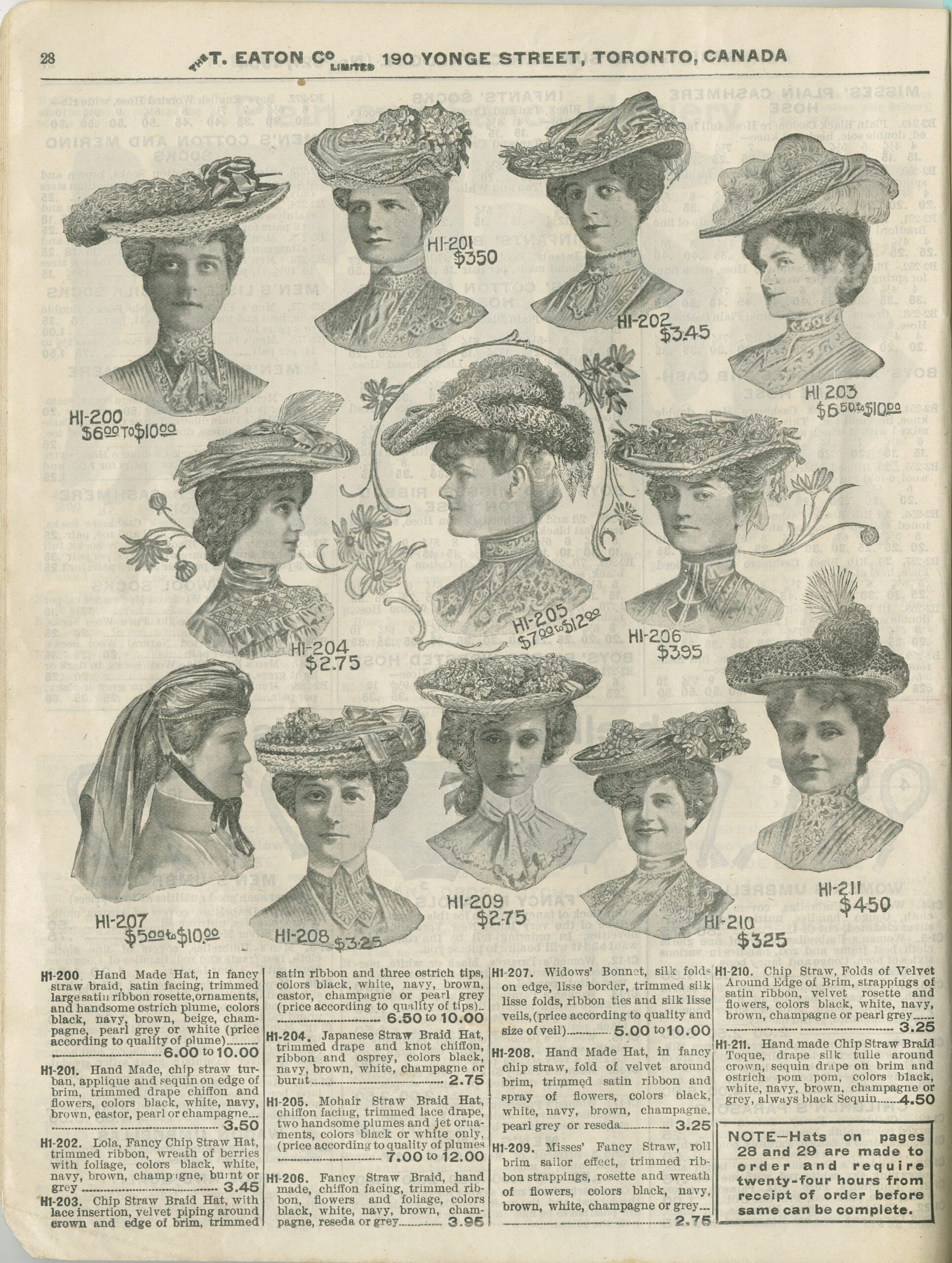
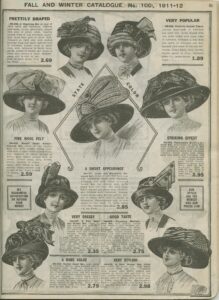
As mail-order catalogues and department stores gained popularity, the ease of having an affordable hat started to impact millinery businesses. Some women opted for the generic but inexpensive hats in the Eaton’s catalogue, rather than the bespoke but pricier options from a milliner.
Millinery
Despite the slowdown, some millineries continued to grow by offering other products and services such as shoes, purses, gloves and scarves.
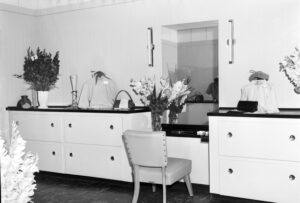
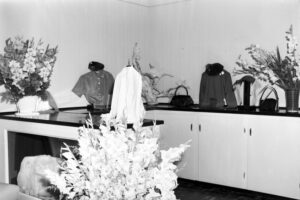
This 1957 photo showcases the interior of The Hat Box shop in Port Elgin. It gives a glimpse into the specialty stores that still offered one-on-one shopping experiences.
The photo shows a seated vanity which allowed the customer to try on specialty hats and view the many accessories to match. The Hat Box store was opened in 1955 by Mrs. Greta Eby. As time went on, the Hat Box expanded its merchandise and became a women’s clothier.
At What Cost
Fashion changed rapidly, and keeping up with current styles meant spending more money. Most women could not afford to have a different hat for each outfit.
Instead, the budget-conscious lady might opt for a versatile hat that could be worn with multiple dresses for a variety of occasions.
With changes in material production and ease of accessibility, the cost of hats ranged vastly. Basic, unembellished hats were available at affordable prices. Then, the option to add personal flair with accessories or decorations started to be included into the cost.
Soon, men, women and children had a range of attainable styles to choose from in department stores and catalogues. Over the course of the 20th century, hat styles began to showcase more practicality rather than fashion.
Artifacts
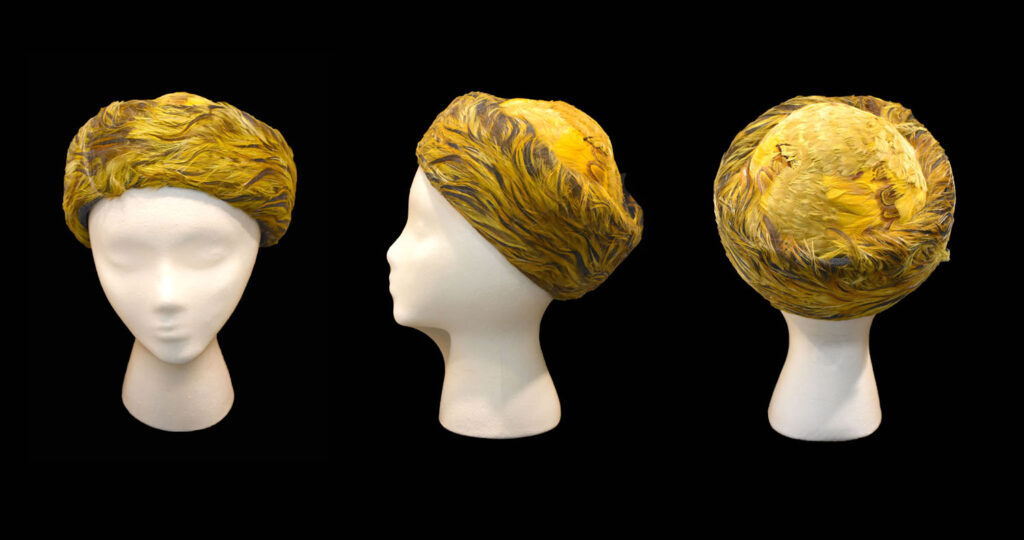
The feathers used on this hat are not known but are likely of an exotic bird like a pheasant. The hat is meticulously designed, allowing the feathers to mimic movement and depth. The detail in the crown allows the hat brim to stand out, while consistently blending to create a cohesive piece. The attention to detail and design in this hat accentuates the high-end materials used. This hat was worn and owned by Florence Schaus.
With its top hat design and feather detail, this hat takes on the resemblance of a women’s riding habit. It is unknown if the original owner used the hat for a specific purpose or if it was worn as a fashion statement. The construction of this hat gives it a unique appearance but limits its functionality. It is covered in a rich velvet material, and the feather embellishment resembles a tuft of fur or quills. The design exudes creativity and originality, allowing the wearer to flaunt their personal style. This hat belonged to Lorna Purdy (nee Armstrong) who lived in Tara.
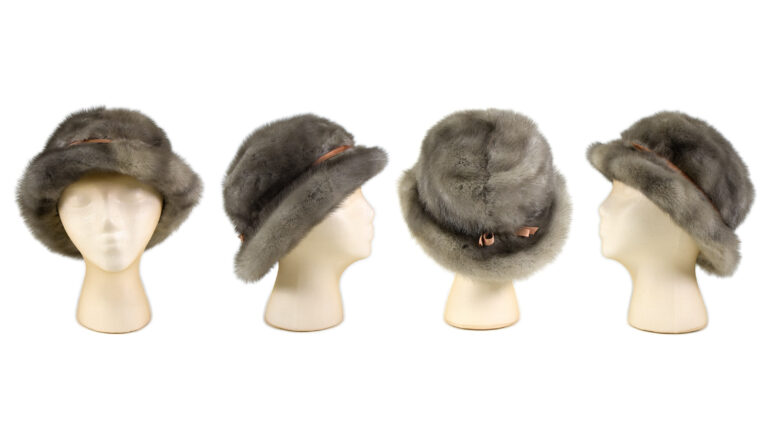
Fur was a material that served both function and fashion. Depending on the fur type, it could showcase the wealth of the wearer by its colour, texture, and rarity. Given its soft and plush appearance, this hat is likely made from rabbit fur. The pink silk ribbon matches the silk lining, lending it a particular feminine quality. This hat was part of a large donation of textiles that were collected by the Owen Sound Costume Guild.
This hat showcases luxury with its quality of materials and craftsmanship. The soft black fur creates a flat, matte finish. The design is simple but elegant, subtly enhanced by a decorative loop on the brim and a dainty grosgrain bow. This hat was made in Italy but was sold in specialty stores locally. It belonged to Lorna Purdy (nee Armstrong) who lived in Tara.
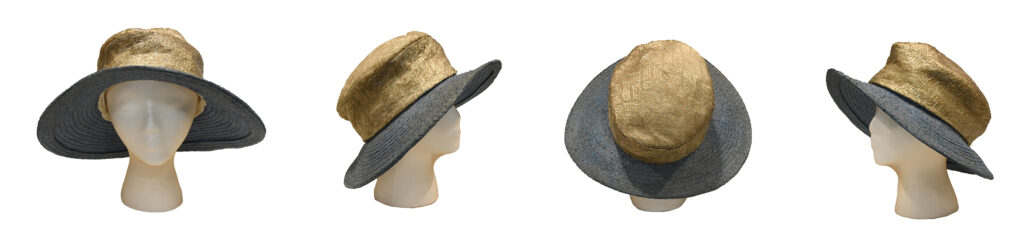
This hat was custom-made by Miss E.B. Link of The Elite Millinery, in Walkerton. It showcases the talent and skill required to make a bespoke hat – not only to fit the wearer physically, but also to fit their personal style. This hat combines straw and cotton materials, using neutral colours that would likely allow the hat to be worn on multiple occasions. The glimmer and shine of this hat demonstrates that even with basic, lower-cost materials, the overall look and finish can be high-end. This hat belonged to members of the Sinclair family.
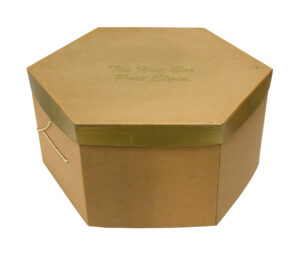
Hatboxes were given to customers with their purchase at many specialty stores. The Hat Box shop in Port Elgin used these boxes for function and flair. The box aids in storage and protection for the hat when not in use.
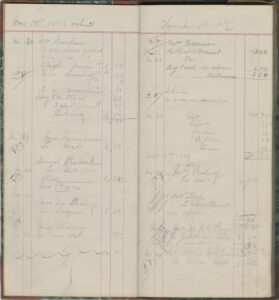
This account book was used to record customer names and purchases from 1876-1877. Based on the products and services listed, this book likely came from a milliner’s shop. Most of the customers were women, and the records provide insight into the materials used along with the costs. Examples of items listed include silk, ribbon, lace, feathers, flowers, cotton, buttons and other textile-working items. This book demonstrates the wide range of costs for materials. It also shows how some women bought items for their own textile hobbies, while the “making” indication shows how some preferred to have their hat custom-made.
Hats Express You!
We are drawn to hats for many reasons; they can protect us, represent our cultural heritage, and boost confidence.
As accessories, they can be designed to express our style and make a statement. Through time, hats have been – and still are – a way to signify both group identity and individuality.
These hats represent how different types and styles speak to others. Here, staff from the Bruce County Museum & Cultural Centre share some of their own favourite hats and the personal significance behind them.
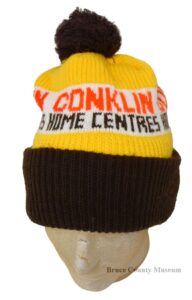
This knitted touque was produced as promotional giveaway for customers of the Conklin Home Centres. The colours used in the design were on brand with the company’s logo. Topped with a fluffy brown pom-pom, this bright yellow touque served as a walking advertisement for the business, all while keeping the wearer’s head warm and cozy. Conklin Home Centres had locations in both Southampton and Kincardine.
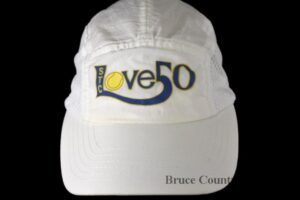
With lightweight material and vented sides, this style of baseball cap allows the wearer to stay cool while playing various sports, such as tennis. In 1956, Irwin “Fawcett” Warder led an inspired and dedicated group of volunteers to establish the Southampton Tennis Club (“STC”) – a club anchored in fun, fitness, and fair play for all ages. That first year, the STC started with around 125 members, but quickly grew to surpass 500 by the mid-1960s. By 2005, the club had grown to include over 1500 members, and they continue to operate today.
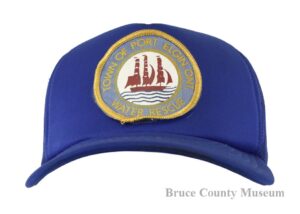
Often referred to as a “trucker hat”, this style of baseball is typified by a distinctive mesh back and a structured, foam or fabric front, often featuring a logo or design. This cap was used and owned by John Sturgeon, who was part of the Port Elgin Water Rescue, an auxiliary of the Canadian Coast Guard. He served for 25 years, as part of a search and rescue team and as a boat specialist.
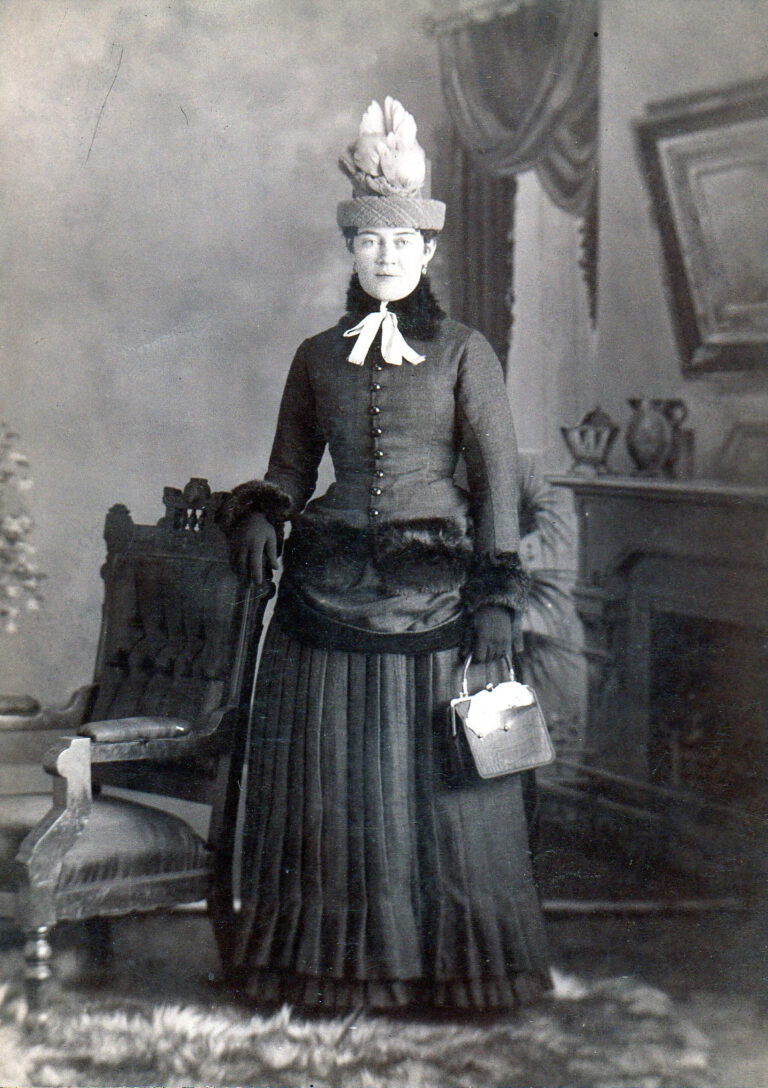
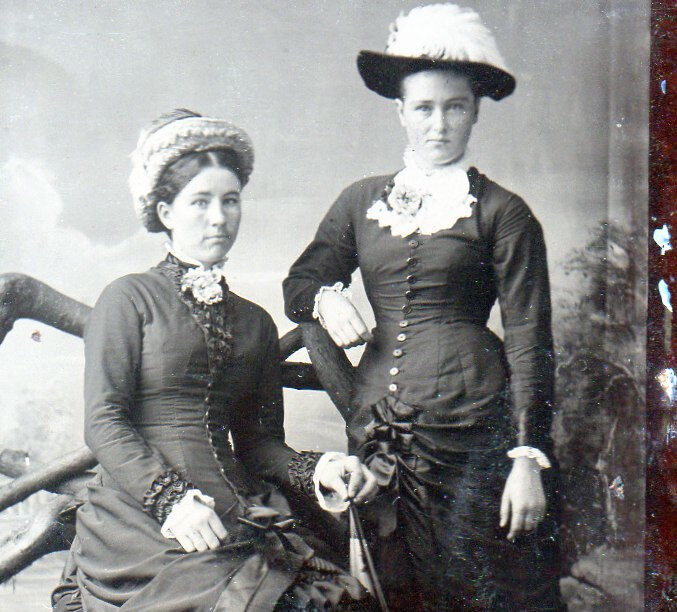
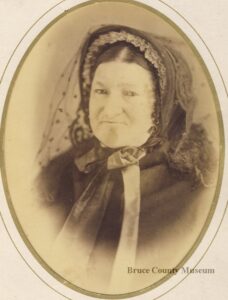
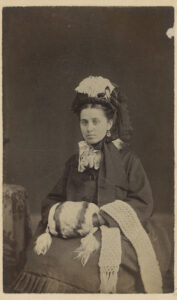
A studio portrait of an unidentified woman ca.1880-1889, photographed by Charles Colville. This image is part of a digitized family photograph album of Dugald Gillies and Mary Taylor.